Bechamel sauce
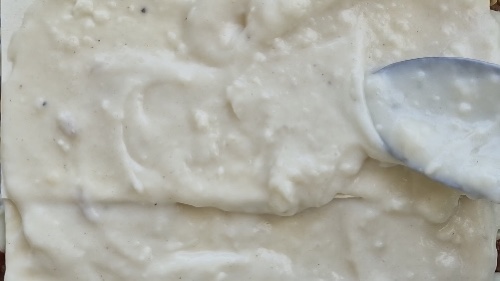
This is a simple recipe of Bechamel sauce or White sauce. It's perfect for cooking some Italian recipes, such as Lasagna or some pasta.
Ingredients
- 40 g butter (82,5% fat)
- 40 g wheat flour
- 400 g milk
- a pinch of salt, pepper, nutmeg
Instructions
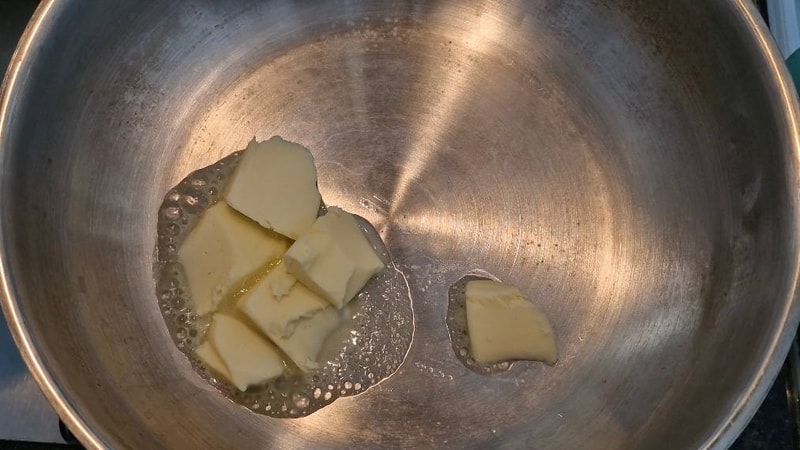
Put the butter in a saucepan and put it on low heat. Melt the butter, avoiding boiling.
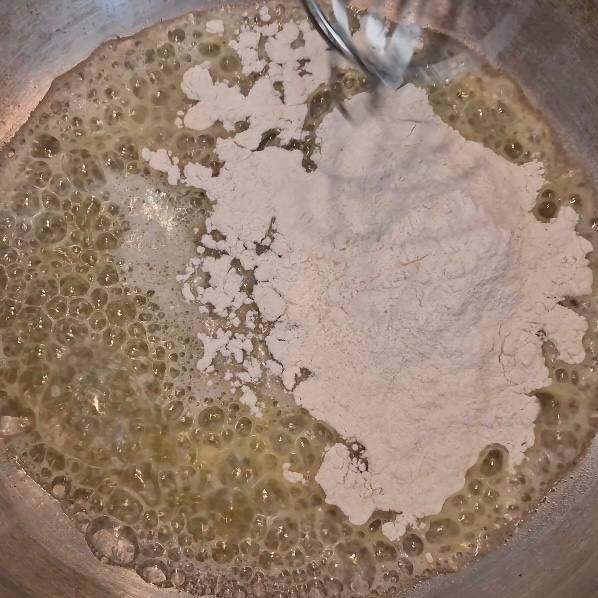
Pour flour into the butter. Start stirring immediately with a whisk. Without removing from heat and with continuous stirring, fry the flour mixture for a few seconds until a light nutty aroma.
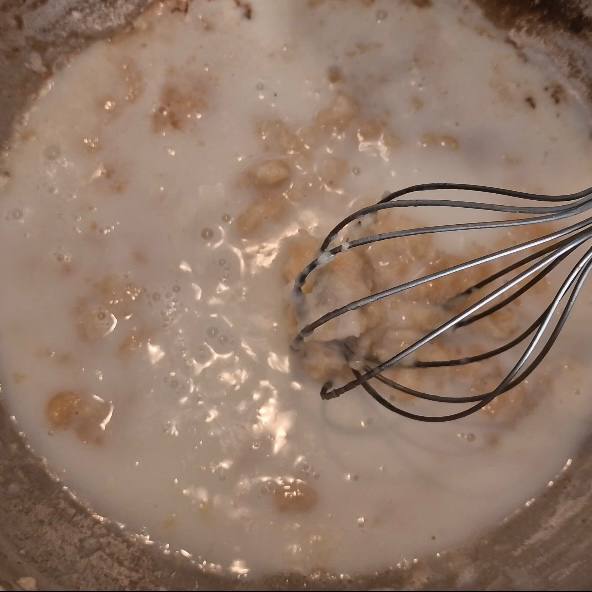
Start adding the milk in several parts and continue stirring the sauce. Keep stirring until the sauce is smooth.
Add salt, pepper, and nutmeg to the sauce. Stir.
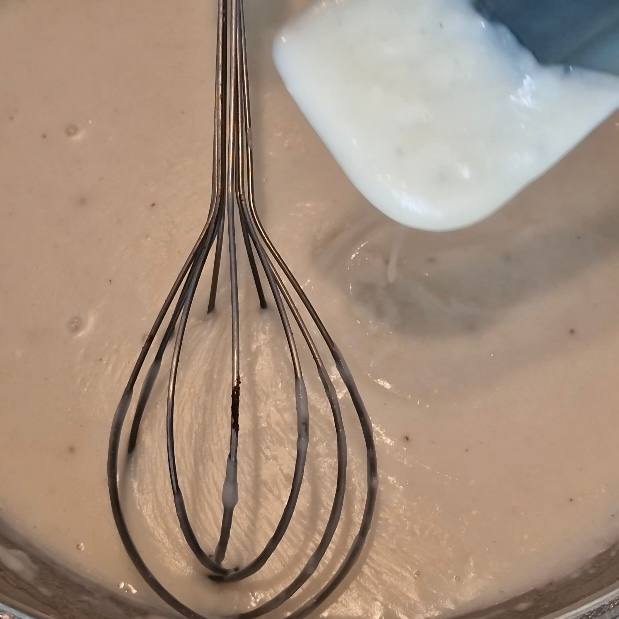
In some minutes, the sauce gets the needed consistency. The sauce is ready. It must be used almost immediately. Otherwise, milk foam will form on its surface. If you are preparing the sauce ahead of time, cover it with cling film, so it fits snugly on the surface.
Chef's Tips & Notes
Recipe Details
Recipe Tags
This is a simple recipe of Bechamel sauce that I checked many times. You’ll need Bechamel while cooking some Italian recipes, such as Lasagna or some pasta. When made properly, this sauce is silky smooth and luxuriously creamy, with a gentle warmth from the nutmeg and a subtle nuttiness from the toasted flour. The aroma of butter and warm milk simmering together is one of the most comforting scents in any kitchen.
What is the difference between white sauce and béchamel?
White sauce and béchamel are both creamy sauces made with butter, flour, and milk. However, there is a slight difference between the two:
- White sauce: This is a basic sauce made by melting butter in a saucepan and stirring in flour to make a roux. Milk is then gradually added to the roux, stirring constantly until the sauce thickens. Salt, pepper, and other seasonings can be added to taste. White sauce is often used as a base for other sauces or as a topping for vegetables or pasta dishes.
- Béchamel: This is a classic French sauce made by melting butter in a saucepan and stirring in flour to make a roux. Milk is then added to the roux, along with a small amount of onion, bay leaf, and other aromatic seasonings. The sauce is simmered for about 10–15 minutes, then strained to remove the aromatics. Salt and nutmeg are often added to taste. Béchamel is used as a base for many classic French sauces, such as Mornay sauce and cheese sauce.
The main difference between white sauce and béchamel is the addition of aromatics in the latter. Béchamel also tends to be slightly thicker and creamier than white sauce due to the longer cooking time and the addition of nutmeg. However, both sauces are versatile and can be used in a variety of dishes.
Ingredients for Bechamel:
- butter (82,5% fat)
- wheat flour
- milk
- a pinch of salt and pepper, nutmeg
Some tips before cooking:
- Butter. Take only high-quality butter for Bechamel, it is better if its fat content is 82.5%.
- Saucepan. Bechamel is cooked with constant stirring, so the saucepan should get well with scratching.
- Milk. Make sure the milk is not cold, it must be at room temperature so the flour mixture will easily be mixed with milk without making lumps.
- Flour. Use all-purpose wheat flour.
Béchamel sauce is a staple in many Italian and French dishes, including lasagna, gratin, and croque monsieur. While it has been popularized in French cuisine, béchamel sauce is attributed to an Italian origin, from the regions of Tuscany and Emilia-Romagna.
How to make Bechamel sauce or white sauce:
- Put the butter in a saucepan and put it on low heat. Melt the butter, avoiding boiling.
- Pour flour into the butter. Start stirring immediately with a whisk. Without removing from heat and with continuous stirring, fry the flour mixture for a few seconds until a light nutty aroma.
- Start adding the milk in several parts and continue stirring the sauce. Keep stirring until the sauce is smooth.
- Add salt, pepper, and nutmeg to the sauce. Stir.
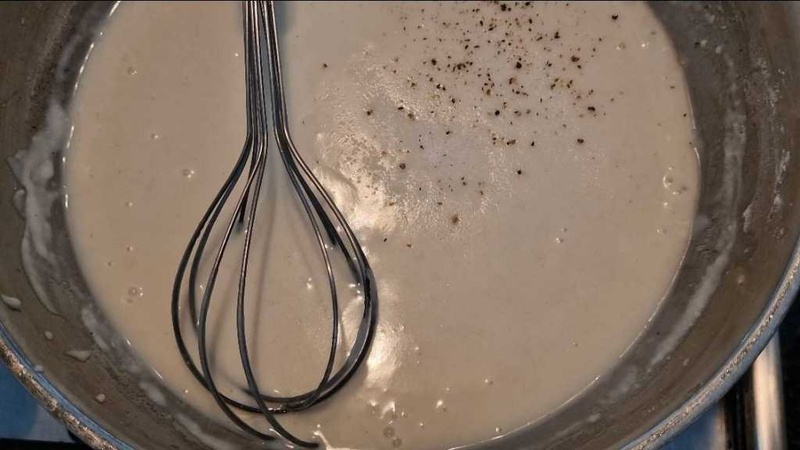
- In some minutes, the sauce gets the needed consistency. The sauce is ready. It must be used almost immediately. Otherwise, milk foam will form on its surface. If you are preparing the sauce ahead of time, cover it with cling film, so it fits snugly on the surface.
A Note from Chef Ana
This Bechamel sauce is a recipe I truly enjoy preparing for my private chef clients in The Woodlands and the greater Houston area. A perfectly smooth béchamel is the foundation of so many beloved dishes — from rich lasagna to creamy gratins — and mastering it was one of the first skills I honed during my European culinary training. The simplicity of this sauce demands the highest quality butter and milk, which is why I always seek out the best local Texas dairy products.
Whether you are hosting a dinner party, planning a celebration, or simply want a wholesome meal for your family, I would love to bring this recipe — and many more — to your table. Feel free to reach out to learn more about my personal and private chef services in The Woodlands, Spring, Tomball, Conroe, and the greater Houston area.
Substitutions & Variations
As a personal chef who specializes in dietary accommodations, I always encourage my clients to adapt recipes to their individual needs. Here are some practical variations for this recipe:
- Gluten-Free: Replace the wheat flour with an equal amount of rice flour or cornstarch. Rice flour creates a very similar texture and thickening power. Whisk extra carefully as gluten-free flours can clump more easily.
- Dairy-Free: Use oat milk or full-fat coconut milk in place of dairy milk, and swap the butter for a quality plant-based butter. The sauce will be slightly thinner, so cook it a minute or two longer to reach the right consistency.
Frequently Asked Questions
How do I fix a lumpy bechamel?
If your sauce develops lumps, do not panic. Remove the saucepan from the heat and whisk vigorously for about 30 seconds. If the lumps persist, strain the sauce through a fine-mesh sieve into a clean pot and continue cooking. Adding the milk more slowly next time and whisking constantly will prevent lumps from forming.
How do I know when the bechamel is thick enough?
Dip a wooden spoon into the sauce and run your finger across the back of the spoon. If the line holds and the sauce does not immediately run back together, it is ready. The sauce should coat the spoon evenly without dripping off too quickly.
Can I store bechamel sauce for later use?
Yes. Transfer the cooled sauce to an airtight container and press plastic wrap directly onto the surface to prevent a skin from forming. It keeps in the refrigerator for up to 4 days. When reheating, warm it gently over low heat and whisk in a splash of milk to restore its smooth, silky consistency.
You Might Also Like
Love This Recipe?
Discover more delicious recipes and consider our personal chef services for fresh, healthy meals prepared in your home.