Seared Tuna Steak
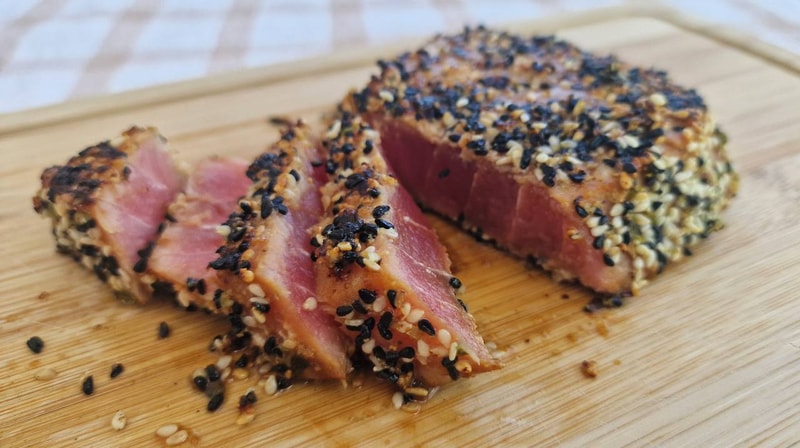
Seared tuna steak is a delicious dish that is quick and easy to make! It is often served with a variety of sides, such as rice, vegetables, or salads.
Ingredients
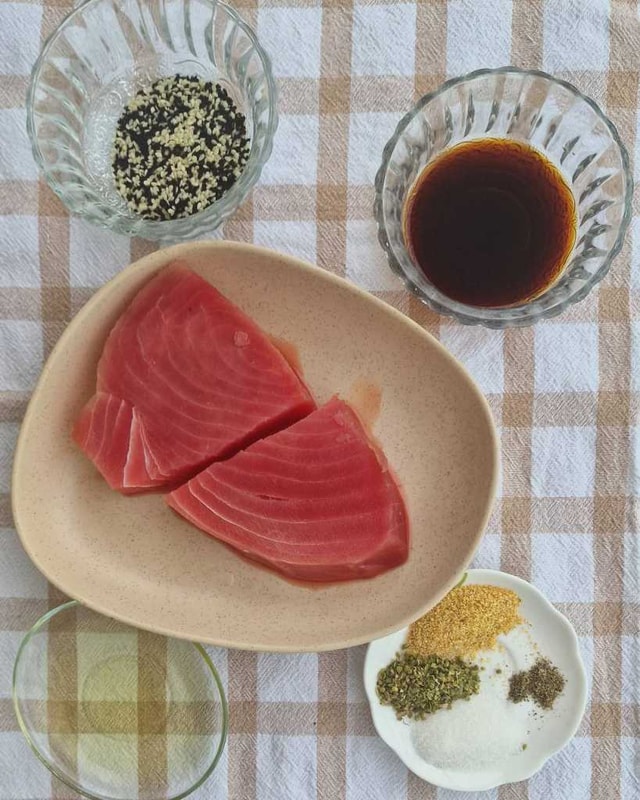
- 2 fresh tuna steaks (5-6 oz each)
- 4 tbsp soy sauce
- 2 tbsp vegetable or sesame oil
- 1/4 cup sesame seeds
- 1 tbsp granulated garlic
- 1 tsp sugar
- 1 tsp dried oregano
- 1/2 tsp freshly ground black pepper
Instructions
Mix together the soy sauce and oil in the bowl. Place tuna steaks in the bowl and let them marinate for 10 minutes.
In another bowl, mix together the sesame seeds, granulated garlic, sugar, oregano and black pepper. Coat the tuna steaks with the sesame seed mixture, ensuring it is evenly covered.
Heat a skillet or grill over medium-high heat. Add a bit of oil to the skillet or grill to prevent sticking. Once it is hot, add the tuna steaks and sear for 1,5-2 minutes on each side.
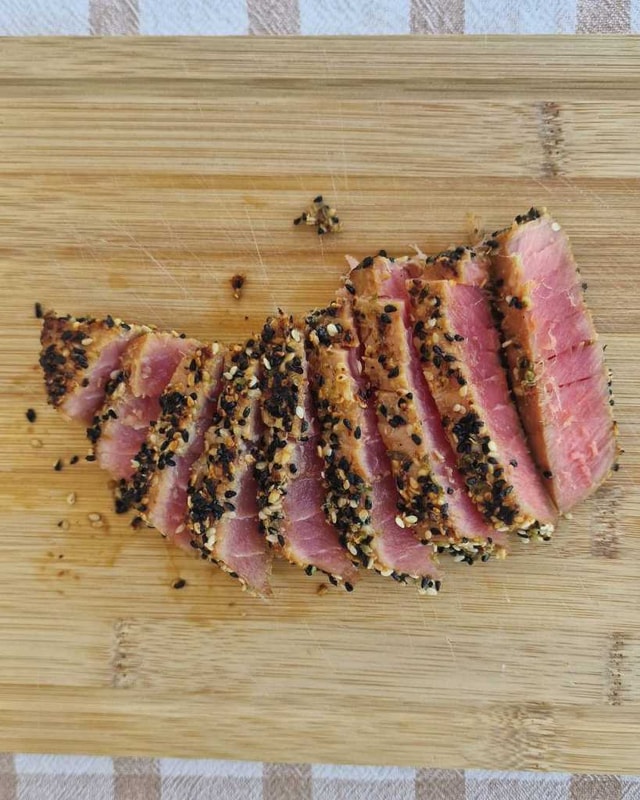
Remove the tuna steaks from the skillet and let them rest for a few minutes before slicing and serving. Slice and enjoy!
Chef's Tips & Notes
Recipe Details
Recipe Tags
Seared tuna steak has a complex and delicious flavor profile but is made just in 15 minutes with all the preparations! The dish has a rich and savory taste with a touch of sweetness and nuttiness from the sesame seeds. The tuna steak has a meaty and slightly gamey flavor, which pairs well with the flavorful crust. When cooked to perfection, the seared tuna steak is tender and juicy on the inside, with a crispy and flavorful crust on the outside, making for a satisfying and delicious meal!
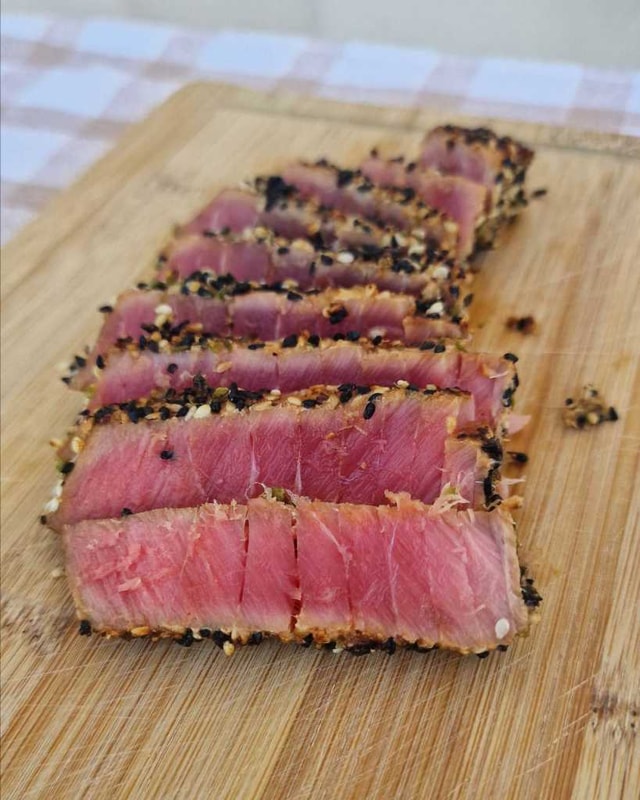
What are the main ingredients for tuna steak?
Here’s the list of ingredients used in this seared tuna steak recipe:
- Tuna Steak: This is the star ingredient of the dish. Fresh Ahi-tuna or Yellowfin tuna is a lean and protein-rich fish that is firm and meaty in texture, making it a great base for searing.
- Soy sauce: Soy sauce is an excellent addition to this dish as it provides a savory and umami flavor that pairs well with the tuna.
- Sesame Seeds: These small seeds are commonly used in Asian cuisine and provide a nutty and aromatic flavor. They also add a pleasing crunch to the tuna crust.
- Granulated Garlic: This is garlic that has been dried and ground into a fine powder. It has a pungent and savory flavor that adds depth to the crust.
- Sugar: Sugar adds a touch of sweetness to the crust and helps to caramelize the exterior of the tuna steak during the searing process.
- Oregano: This herb has a slightly earthy and herbaceous flavor that complements the other ingredients in the crust. It also adds a touch of freshness to the dish.
- Salt and Black Pepper: These common seasonings are used to season the tuna steak before searing, enhancing its natural flavor.
- Oil: Vegetable or sesame oil may be used to coat the skillet or grill before cooking the tuna steak. This helps to prevent sticking.
Is tuna steak a healthy fish?
Tuna steak is generally considered a healthy fish, as it is a good source of lean protein, vitamins, and minerals. Here are some of the key nutritional benefits of tuna steak:
- High in protein: Tuna steak is a good source of high-quality protein (19g per 100g), which is essential for building and repairing muscles and tissues.
- Rich in omega-3 fatty acids: Tuna steak is a good source of omega-3 fatty acids, which have been shown to have numerous health benefits, including reducing inflammation, improving heart health, and supporting brain function.
- Low in fat: Tuna steak is a lean fish, which means it is low in fat and calories. This makes it a good option for people who are watching their weight or trying to maintain a healthy diet.
- High in vitamins and minerals: Tuna steak is a good source of several vitamins and minerals, including vitamin B12, vitamin D, selenium, and potassium.
However, it’s important to note that some types of tuna, such as bluefin tuna, may contain high levels of mercury, which can be harmful to health in large amounts. It’s recommended to limit consumption of high-mercury fish and choose low-mercury options like albacore tuna instead.
Should I wash tuna steak before cooking?
It is generally not recommended to wash tuna steak before cooking it. Washing the tuna steak can actually increase the risk of cross-contamination and spread harmful bacteria, as water can splash and spread germs onto other surfaces in the kitchen. Tuna steak is typically sold fresh and has already been cleaned and prepared by the fishmonger or vendor. Before cooking the tuna, it’s a good idea to pat it dry with a paper towel to remove any excess moisture. This will help the tuna sear properly and prevent it from sticking to the skillet or grill.
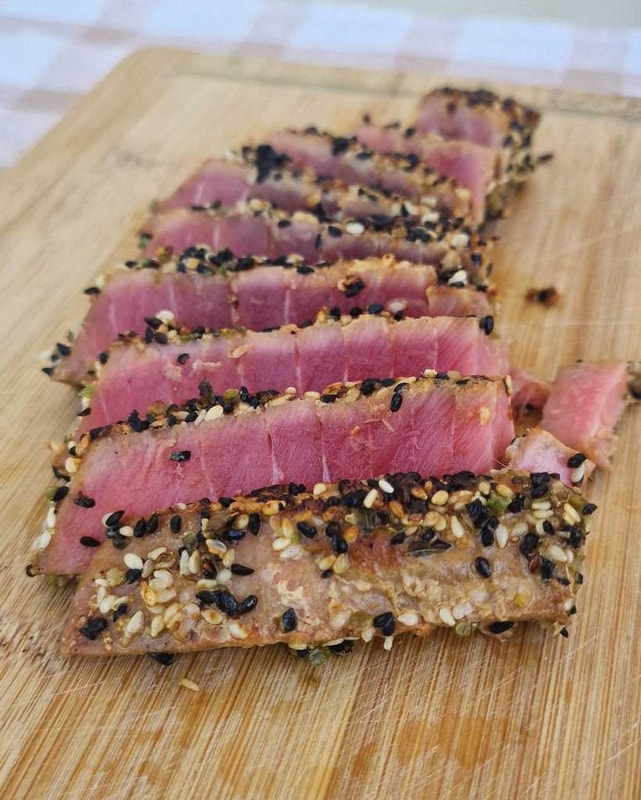
How to make Seared Tuna Steak?
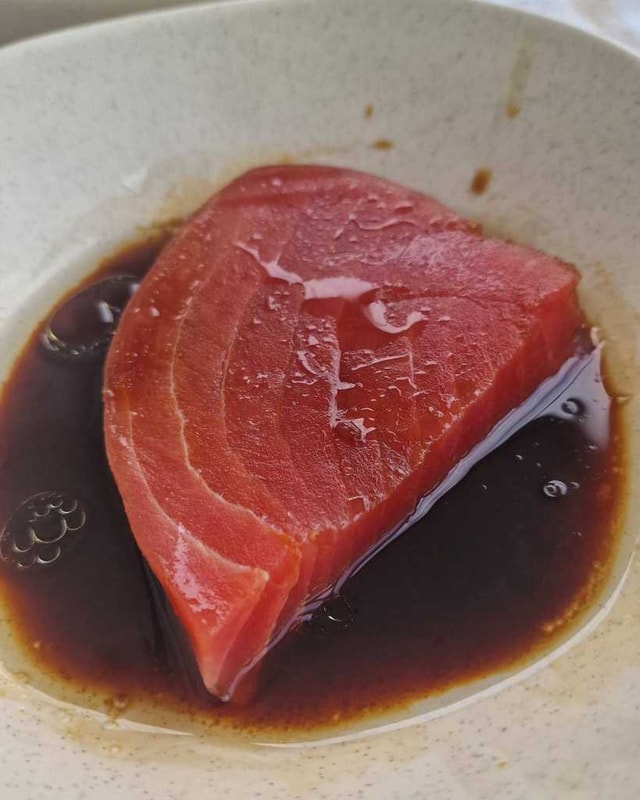
In a small bowl, mix together the soy sauce and oil. Brush the mixture onto both sides of the tuna steaks and let them marinate for 10 minutes.
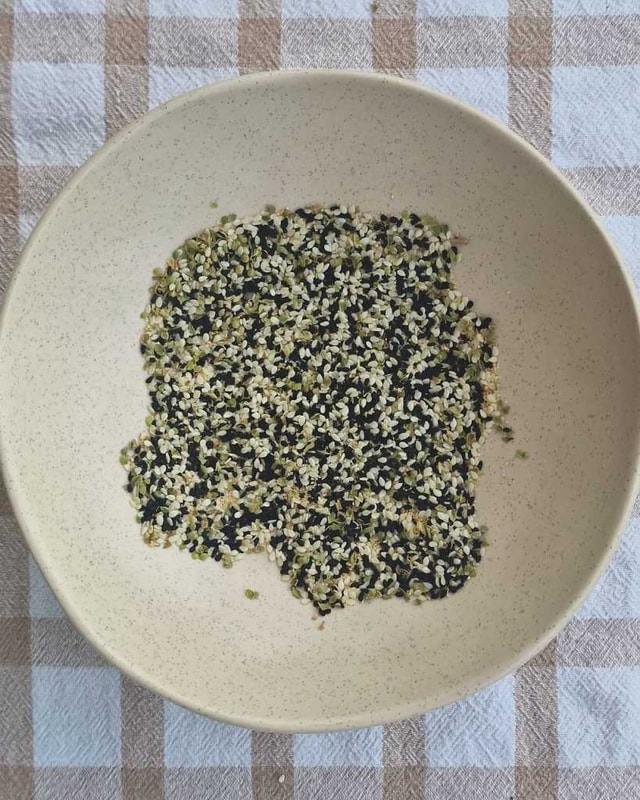
 In another bowl, mix together the sesame seeds, granulated garlic, sugar, oregano and black pepper.
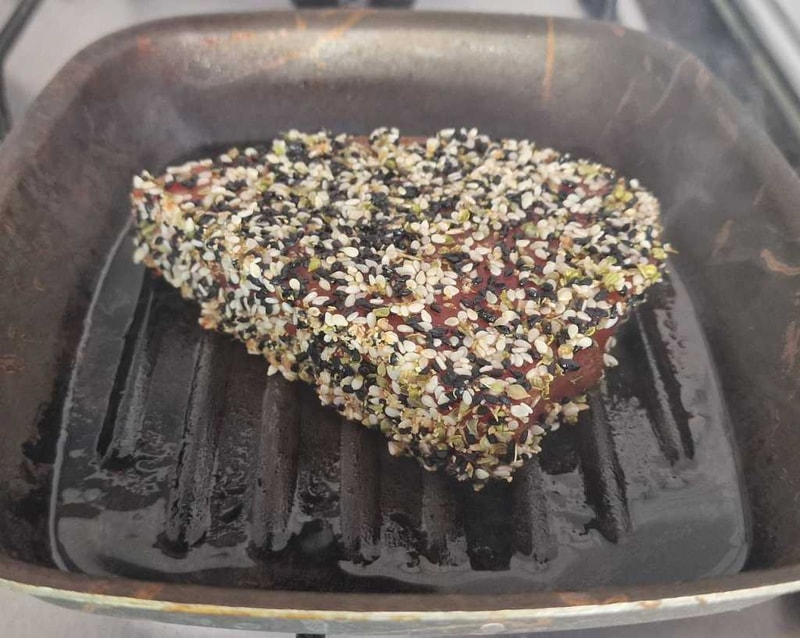
 Coat the tuna steaks with the sesame seed mixture, ensuring it is evenly covered. Heat a skillet or grill over medium-high heat. Add a bit of oil to the skillet or grill to prevent sticking. Once the skillet or grill is hot, add the tuna steaks and sear for 1,5–2 minutes on each side, or until the sesame seed crust is golden brown and the tuna is cooked to your desired level of doneness.
 Remove the tuna steaks from the skillet or grill and let them rest for a few minutes before slicing and serving.
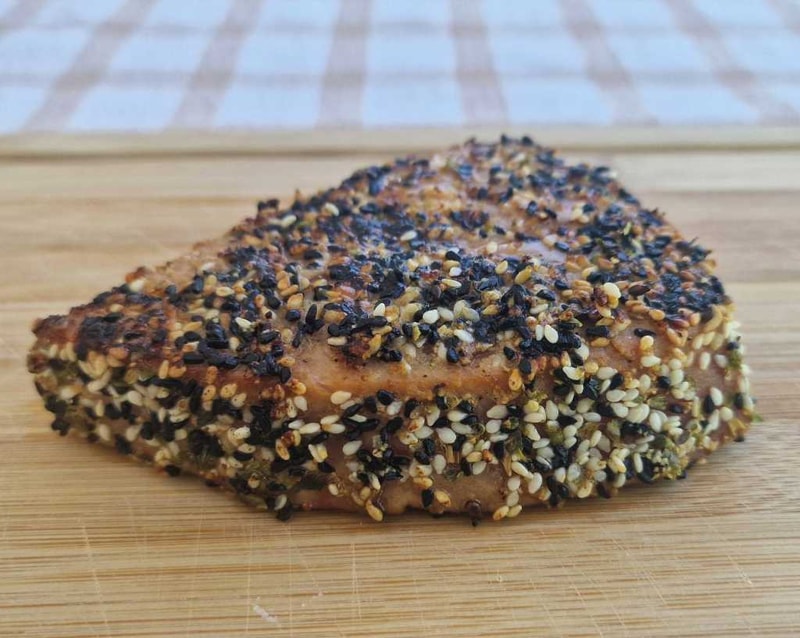 This dish is delicious when served with a side of stir-fried vegetables or a simple salad. Drizzle a bit of soy sauce over the top of the tuna steaks or serve it as a dipping sauce on the side. Enjoy!
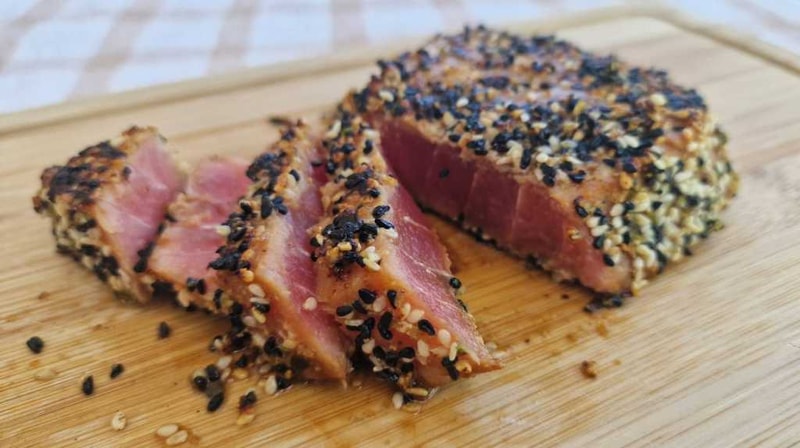
How long does it take to sear tuna?
The cooking time for seared tuna will vary depending on the thickness of the tuna steak and the desired level of doneness. As a general rule of thumb, seared tuna should be cooked for about 1–2 minutes per side for rare, 2–3 minutes per side for medium-rare, and 3–4 minutes per side for medium.
However, it’s important to keep a close eye on the tuna while it’s cooking, as overcooking can result in dry and tough tuna.
When searing tuna, it’s also important to ensure that the skillet or grill is hot enough before adding the tuna. The skillet or grill should be preheated over medium-high heat for several minutes before adding the tuna to ensure that it sears properly.
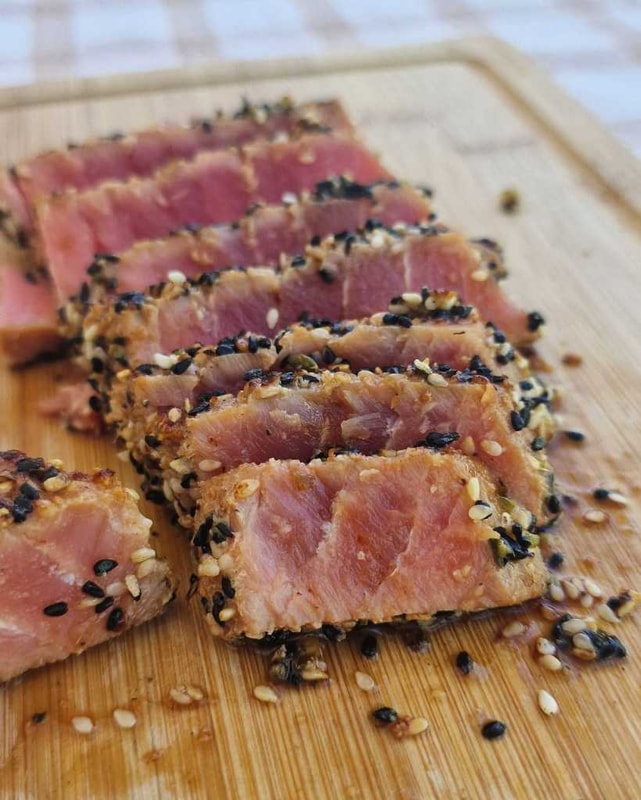
What to serve with tuna steak?
Tuna steak pairs well with a variety of sides, depending on your personal taste preferences. Here are some ideas for sides that would complement seared tuna steak:
- Stir-fried Vegetables: A side of stir-fried vegetables, such as broccoli, snow peas, bell peppers, and carrots, is a great way to add some color and nutrition to your meal. Season with soy sauce and sesame oil for added flavor.
- Rice or Quinoa: A side of steamed rice or quinoa, is a simple and satisfying accompaniment to tuna steak. Here are some good pairings:
- Salad: A fresh salad is a great way to add some crunch to your meal. Here are some good pairings:
- Roasted Carrot Salad
- Broccoli and Grapefruit Salad
- Crunchy Cabbage Salad with Apples and Raisins
- Cashew Coconut Slaw with Coconut Lime Vinaigrette
Overall, seared tuna steak pairs well with a variety of sides, so feel free to experiment with different combinations until you find your favorite!
A Note from Chef Ana
This Seared Tuna Steak is a dish I absolutely love preparing for my private dinner clients in The Woodlands and the greater Houston area. My philosophy has always been about elevating classic American comfort food with proper technique and the freshest local Texas ingredients. I source as much as I can from local farms and markets in the Houston area, because fresh, seasonal produce always makes a noticeable difference.
Whether you are hosting a dinner party, planning a celebration, or simply want a wholesome meal for your family, I would love to bring this recipe — and many more — to your table. Feel free to reach out to learn more about my personal and private chef services in The Woodlands, Spring, Tomball, Conroe, and the greater Houston area.
Substitutions & Variations
As a personal chef who specializes in dietary accommodations, I always encourage my clients to adapt recipes to their individual needs. Here are some practical variations for this recipe:
- Gluten-Free: This seared tuna steak is naturally gluten-free as written — just confirm your soy sauce is gluten-free (or use tamari or coconut aminos).
- Dairy-Free: This recipe is already completely dairy-free — no modifications needed!
- Vegetarian/Vegan: For a plant-based version, use thick-cut watermelon steaks or extra-firm tofu. Coat with the sesame seed crust and sear the same way for a satisfying alternative.
- Low-Sugar/Keto: Replace granulated sugar with a natural sweetener like monk fruit, erythritol, or stevia. Start with half the amount and adjust to your preferred sweetness level.
- Soy-Free/Low-Sodium: Replace soy sauce with coconut aminos for a soy-free and lower-sodium alternative that still delivers a rich umami flavor.
Frequently Asked Questions
What type of tuna is best for searing?
Sushi-grade ahi (yellowfin) tuna is the gold standard for seared tuna steaks. Look for deep red, firm steaks with no brown discoloration or fishy smell. Since the center stays rare, purchasing from a reputable fishmonger who sells sushi-grade fish is essential for both safety and flavor.
How do I keep the center of the tuna rare while getting a good sear?
The key is an extremely hot skillet and a very short cooking time — just 1.5 to 2 minutes per side. Make sure the tuna is patted dry and the pan is screaming hot before adding the fish. Do not move the steak while it sears, as this interrupts the crust formation.
Can I eat seared tuna steak the next day?
Yes, leftover seared tuna can be refrigerated in an airtight container for up to 2 days. It is best enjoyed cold or at room temperature — sliced thin over a salad or in a rice bowl. Reheating is not recommended as it will cook through the rare center and change the texture entirely.
What can I use instead of sesame seeds for the crust?
Black sesame seeds add a dramatic visual contrast while keeping a similar flavor. You can also try a mix of crushed peppercorns and coriander seeds, or finely chopped macadamia nuts for a richer, nuttier crust. For a nut-free and seed-free option, panko breadcrumbs seasoned with the same spices work well.
You Might Also Like
Love This Recipe?
Discover more delicious recipes and consider our personal chef services for fresh, healthy meals prepared in your home.