Spicy Tuna Onigiri
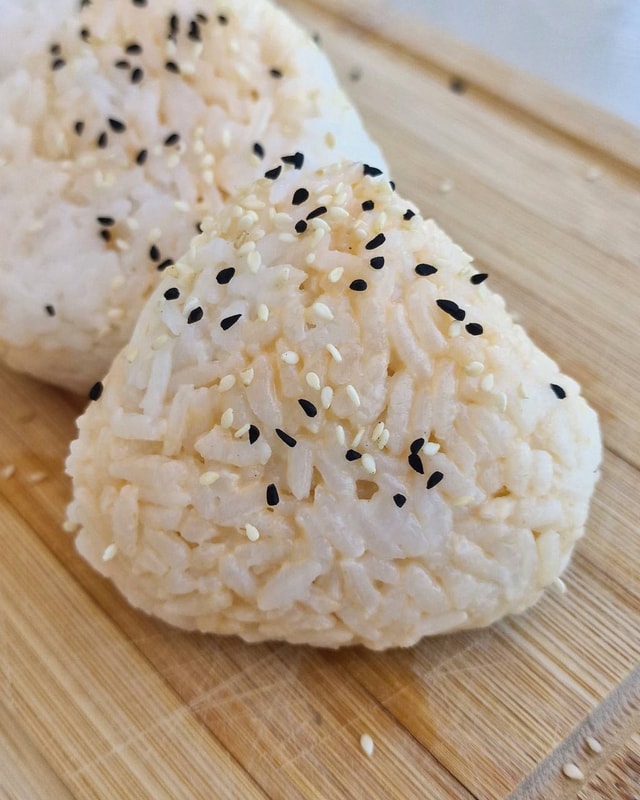
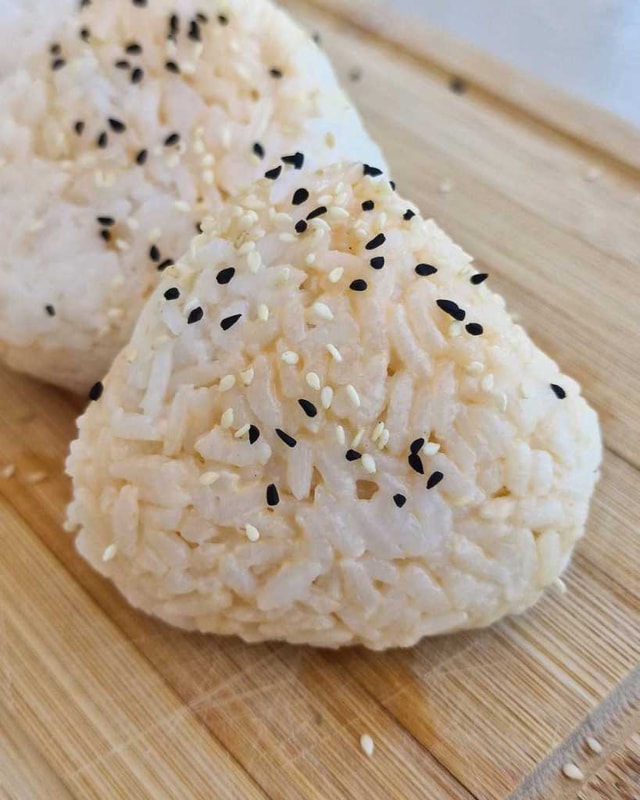
Spicy Tuna Onigiri is a popular Japanese snack. It's a handheld rice ball filled with spicy tuna and often wrapped in a strip of seaweed. It's a tasty and satisfying dish!
Ingredients
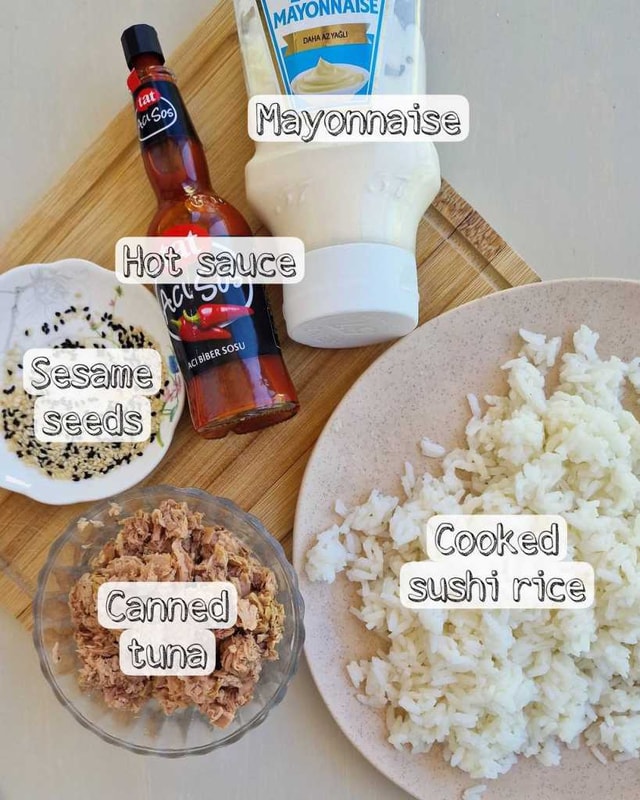
- 2 cups sushi rice
- 1 can tuna (in water), drained
- 2 tbsp mayonnaise
- 1 tbsp Sriracha sauce (o rany hot sauce)
- Salt to taste
- Nori sheets (seaweed), cut into strips
- Soy sauce for dipping (optional)
Instructions
Rinse the sushi rice under cold water until the water runs clear, then cook according to the package instructions.
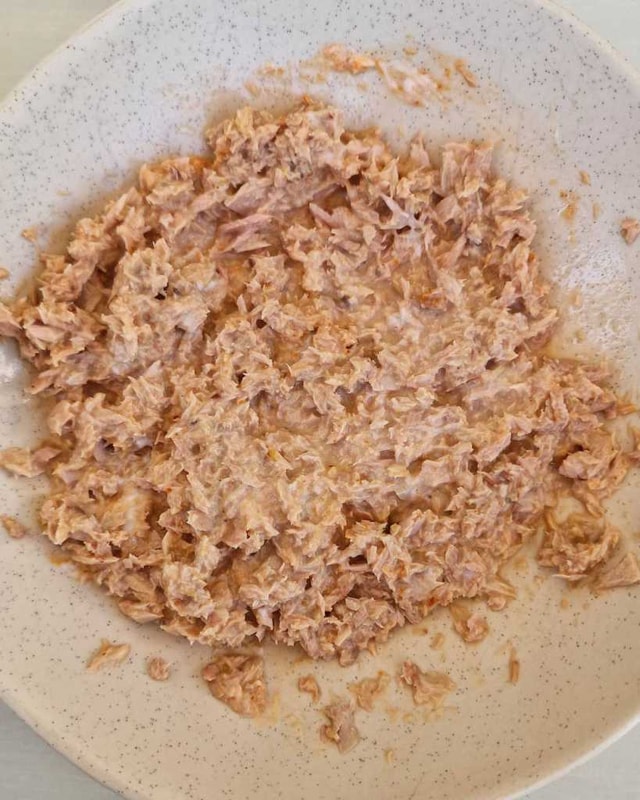
While the rice is cooking, mix the drained tuna, mayonnaise, Sriracha sauce, and salt in a bowl. Adjust the Sriracha and salt to taste.
Once the rice is cooked, let it cool slightly until it's safe to handle. Wet your hands to prevent the rice from sticking, then take a handful of rice and flatten it into a small disk in the palm of your hand.
Scoop a spoonful of the spicy tuna mixture onto the center of the rice disk. Fold the rice over the filling and shape it into a ball or a triangle, pressing firmly to ensure it holds together. Wrap a strip of nori around the onigiri.
Serve the onigiri with soy sauce for dipping, if desired.
Chef's Tips & Notes
Recipe Details
Recipe Tags
Spicy Tuna Onigiri is a popular Japanese snack. It’s a handheld rice ball filled with spicy tuna and often wrapped in a strip of seaweed. It’s a tasty and satisfying dish!
What is onigiri?
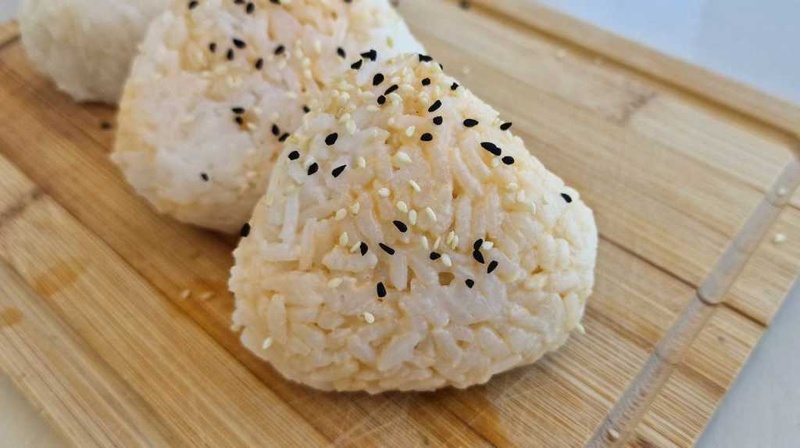
Onigiri, also known as omusubi, is a popular staple in Japanese cuisine. It’s a type of rice ball made from white rice (typically Japanese short-grain or sushi rice) that is formed into triangular or cylindrical shapes and often wrapped in nori (seaweed). Traditionally, these rice balls are filled with pickled ume (umeboshi), salted salmon, katsuobushi (dried, fermented, and smoked skipjack tuna), or any other salty or sour ingredient as a natural preservative. Nowadays, though, you’ll find many varieties of onigiri filled with a multitude of ingredients, such as cooked tuna, shrimp, or even Japanese-style curry. Onigiri is incredibly versatile, and its compact size and lack of need for utensils makes it an excellent option for packed lunches or snacks on the go. In Japan, onigiri can easily be found in convenience stores, bento (boxed lunch) shops, and supermarkets. However, homemade onigiri, made with warm rice and enjoyed fresh, is considered by many to be the best.
What can you put inside spicy tuna onigiri?
Here’s a brief description of each ingredient and its role in the Spicy Tuna Onigiri recipe:
- Sushi Rice: This is a type of short-grained, sticky rice often used in Japanese cooking, especially for sushi and onigiri. It’s perfect for onigiri because it sticks together well, enabling the rice balls to maintain their shape.
- Tuna: This recipe uses canned tuna for convenience. Tuna is a flavorful and protein-rich ingredient that serves as the main filling for the onigiri. Tuna is especially abundant in omega 3 fatty acids. They’re brilliant for the body and are thought to help lower cholesterol, boost brain function and improve eye health.
- Mayonnaise: It gives a creamy texture to the tuna filling. In this recipe, it also helps to distribute the spicy flavor of the Sriracha sauce evenly throughout the tuna.
- Sriracha Sauce: Sriracha is a type of hot sauce or chili sauce made from a paste of chili peppers, distilled vinegar, garlic, sugar, and salt. It adds a spicy kick to the tuna filling, but you can adjust the amount based on your personal preference for heat.
- Salt: This is used to season the tuna filling to enhance its natural flavors.
- Nori Sheets (Seaweed): These are thin, dried sheets of seaweed that are often used in Japanese cooking. In this recipe, they are cut into strips and wrapped around the onigiri for additional flavor and texture. Plus, they make the onigiri easier to pick up and eat with your hands!
- Soy Sauce: This is a commonly used condiment in Japanese cuisine. It’s optional in this recipe, but you can serve it on the side as a dipping sauce for the onigiri. Soy sauce adds a salty, umami flavor that complements the spicy tuna well.
How to make tuna onigiri?
To make this Spicy Tuna Onigiri, start by washing the sushi rice under cold water until it becomes clear, and then prepare it as directed on the packaging.
While the rice is simmering, combine the tuna that has been drained, mayonnaise, Sriracha sauce, and salt in a separate dish. Fine-tune the Sriracha and salt to your preferred taste.
 Once the rice has been cooked, let it cool down a bit so it’s comfortable to touch. Moisten your hands to avoid rice sticking to them, grab a portion of rice and press it into a small flat circle on your palm. Put a small amount of the spicy tuna blend in the middle of the rice circle. Fold the rice around the filling, moulding it into a round or triangular shape, ensuring to press solidly so it stays together. Place a nori strip around the onigiri. Do the same with the remaining rice and tuna mix. If you’d like, serve the onigiri with soy sauce for dipping. Enjoy your delicious Spicy Tuna Onigiri!
Is onigiri eaten hot or cold?
Onigiri can be enjoyed both hot or cold. It’s typically eaten at room temperature, making it a popular choice for packed lunches, picnics, or a quick snack on the go in Japan. Some types of onigiri, such as those filled with ingredients like grilled salmon or umeboshi (pickled plum), are particularly good at room temperature. However, there are also versions of onigiri that are delicious when heated, such as yaki-onigiri, which is grilled, often with a brushing of soy sauce for added flavor. Another onigiri might be briefly microwaved to warm the rice and melt a cheese filling, for instance. So, the temperature at which you eat your onigiri can depend on personal preference, the specific ingredients used, and the situation. Just remember that like with any food, safety is key – if your onigiri contains perishable ingredients like raw fish, be sure to keep it refrigerated and consume it as soon as possible. If you like this Spicy Tuna Onigiri, check out this Ultimate Tuna Melt Sandwich recipe!
A Note from Chef Ana
This Spicy Tuna Onigiri is one of the most requested appetizers at private events I cater in The Woodlands and the greater Houston area. Japanese cuisine is all about precision, balance, and respecting the integrity of each ingredient — values that resonate deeply with my culinary philosophy. I love bringing these refined techniques to my clients’ tables using the best ingredients I can source here in Texas.
Whether you are hosting a dinner party, planning a celebration, or simply want a wholesome meal for your family, I would love to bring this recipe — and many more — to your table. Feel free to reach out to learn more about my personal and private chef services in The Woodlands, Spring, Tomball, Conroe, and the greater Houston area.
Substitutions & Variations
As a personal chef who specializes in dietary accommodations, I always encourage my clients to adapt recipes to their individual needs. Here are some practical variations for this recipe:
- Gluten-Free: This recipe is naturally gluten-free! Just use tamari or coconut aminos in place of regular soy sauce for dipping.
- Dairy-Free: This recipe is naturally dairy-free as written — no modifications needed.
- Vegetarian/Vegan: Replace the tuna filling with a spicy chickpea mash (smashed chickpeas with Sriracha and vegan mayo) or seasoned marinated tofu crumbles for a satisfying plant-based version.
- Soy-Free/Low-Sodium: Replace soy sauce with coconut aminos for a soy-free and lower-sodium alternative that still delivers a rich umami flavor.
- Low-Carb/Keto: Replace sushi rice with cauliflower rice for a lighter, low-carb alternative. Press the cauliflower rice firmly to help it hold its shape.
Frequently Asked Questions
Can I use fresh tuna instead of canned for onigiri?
Absolutely! Dice sushi-grade tuna finely, toss it with Sriracha mayo, and use it as the filling. Just make sure the tuna is sushi-grade from a trusted fishmonger and keep it cold until you are ready to assemble.
Why does my onigiri fall apart?
The most common reason is not using the right rice. You need Japanese short-grain or sushi rice — its natural stickiness holds the shape. Also, make sure the rice is still warm when shaping, and press firmly but not too tightly.
How long does spicy tuna onigiri last in the fridge?
Onigiri is best enjoyed the same day, but you can store them wrapped in plastic wrap in the refrigerator for up to 24 hours. The nori will soften over time, so wrap it separately and add it just before eating for the best texture.
Can I make onigiri without a mold?
Yes! Traditional onigiri is shaped entirely by hand. Wet your hands, place warm rice in one palm, add the filling, and gently press and rotate the rice into a triangle or ball shape. No special tools required.
You Might Also Like
Love This Recipe?
Discover more delicious recipes and consider our personal chef services for fresh, healthy meals prepared in your home.