Lemon Coconut Tart
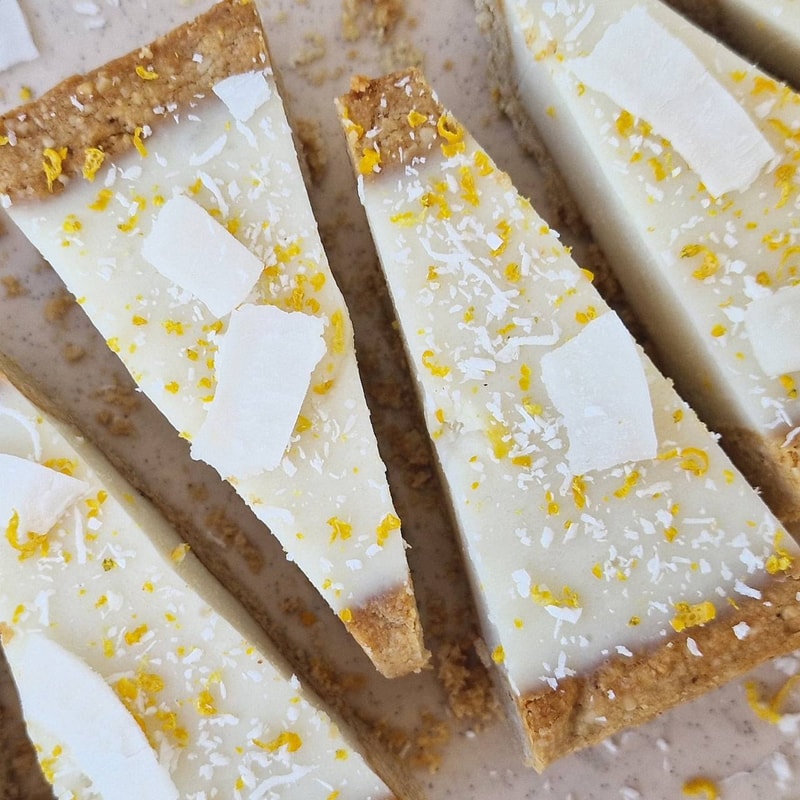
Lemon Coconut Tart is a delightful combination of tangy, creamy, and sweet flavors. It's made with wholesome ingredients and can be a healthy and refreshing dessert for any occasion. Moreover, it's vegan-friendly!
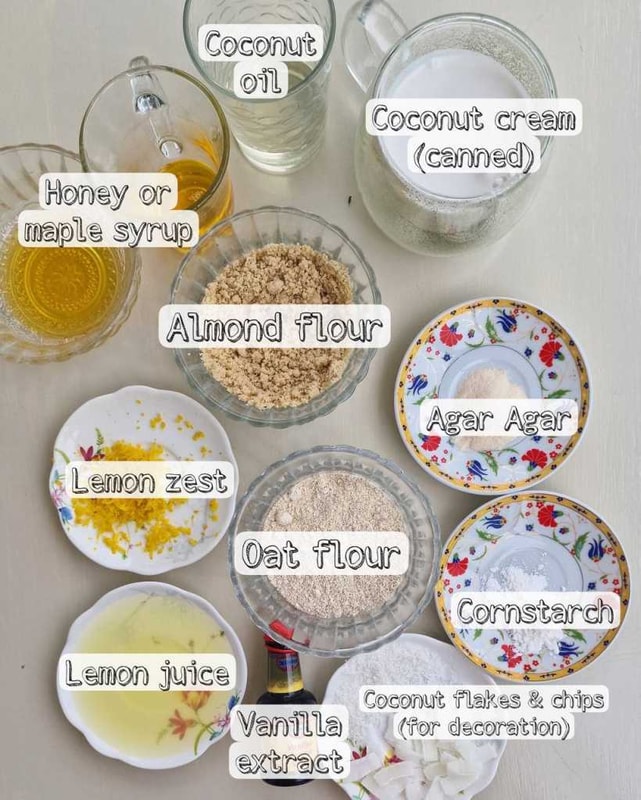
Ingredients
- 2 oz. almond flour
- 2 oz. oat flour (blended oats)
- 1 oz. maple syrup
- 1/2 tsp vanilla extract
- 0.75 oz. coconut oil, softened
- 1 cup cup coconut cream, full fat
- 3 tbsp fresh lemon juice
- 1 tbsp lemon zest
- 1/4 cup maple syrup or honey
- 4 tsp coconut oil
- 1 tsp Agar-Agar
- 1 tsp cornstarch
Instructions
In a mixing bowl, combine the almond flour, oat flour, maple syrup or honey, vanilla extract, and softened coconut oil for the crust. Mix well until the ingredients are fully combined and form a dough-like consistency.
Press the dough evenly into the bottom and sides of a baking pan, creating a crust. Make sure the thickness is consistent.
Bake the crust in the preheated to 350°F (175°C) oven for about 8-10 minutes or until it turns golden brown. Once baked, remove it from the oven and let it cool completely.
In a saucepan, combine the coconut cream, fresh lemon juice, lemon zest, maple syrup (or honey), coconut oil, Agar-Agar, and cornstarch for the lemon cream filling. Whisk the mixture until the ingredients are well combined. Place the saucepan over medium heat and bring the mixture to a gentle boil, stirring constantly. Allow it to simmer for a few minutes until it thickens and becomes smooth.
Remove the saucepan from heat and let the lemon cream filling cool slightly. Then, pour it into the cooled tart crust, spreading it evenly. Refrigerate the tart for at least 2-3 hours, or until the lemon cream filling sets and becomes firm.
Once the tart is fully chilled and set, you can serve it as is or garnish it with additional lemon zest, coconut flakes, or fresh berries. Enjoy!
Chef's Tips & Notes
Recipe Details
Recipe Tags
Lemon Coconut Tart is a delightful combination of tangy, creamy, and sweet flavors. It’s made with wholesome ingredients and can be a healthy and refreshing dessert for any occasion. Moreover, it’s vegan-friendly!
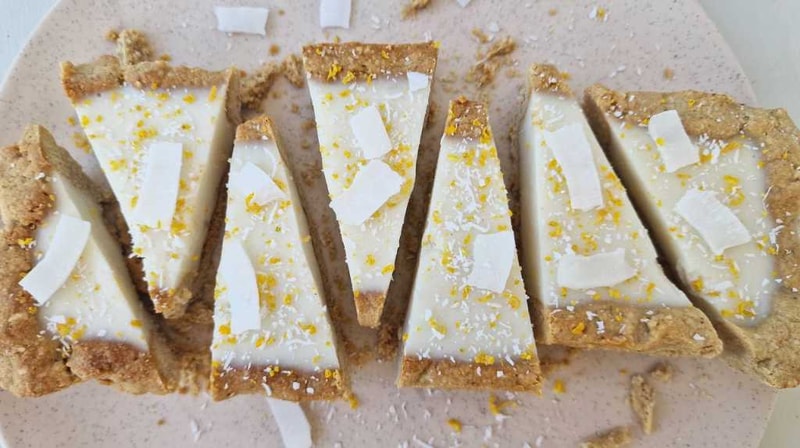
What is the difference between a pie and a tart?
The main differences between a pie and a tart lie in their crusts and fillings. Here are the distinguishing characteristics of each: Crust:
- Pie: A pie typically has a crust that completely encloses the filling. The crust is often made with a combination of flour, fat (such as butter or shortening), and water. Pie crusts can be flaky or tender depending on the preparation method.
- Tart: A tart has a crust that is usually open-faced, meaning it does not fully cover the filling. The crust is typically made with ingredients similar to a pie crust, but it is usually thinner and crisper. Tart crusts are often pre-baked before the filling is added to ensure a crisp texture.
Filling:
- Pie: Pies can have a wide range of fillings, including fruit fillings (such as apple, cherry, or pumpkin), custard fillings (such as pecan or lemon meringue), or savory fillings (such as meat or vegetable fillings). The filling is typically placed inside the crust and is usually thicker and more substantial.
- Tart: Tarts commonly have fillings that are rich and creamy, such as fruit curds (like lemon curd or pastry cream), ganache, or custards. Tarts often emphasize the flavor and texture of the filling rather than having a substantial filling layer.
While these are general differences, it’s important to note that there can be variations and overlaps between pies and tarts, as different regions and culinary traditions may have their own interpretations and variations of these terms.
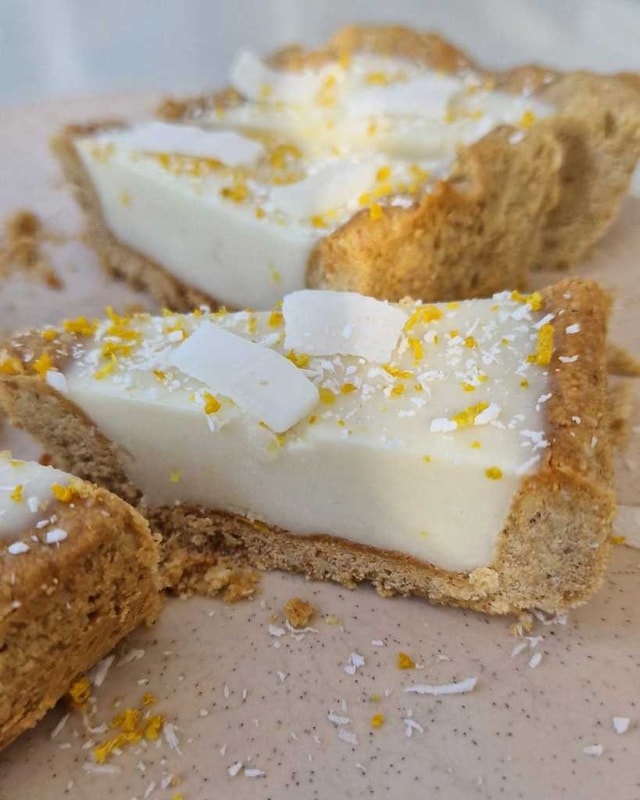
What is lemon coconut tart made of?
Here’s a description of the taste components:
Crust: The crust of the tart, made with almond flour, oat flour, maple syrup or honey, and coconut oil, offers a nutty and slightly sweet flavor. It provides a sturdy base for the tart and adds a pleasant crunch.
Lemon Cream Filling: The lemon cream filling is the star of the tart, delivering a bright and refreshing taste. The combination of fresh lemon juice, lemon zest, and maple syrup (or honey) creates a tangy and citrusy flavor profile. The coconut cream adds richness and a subtle tropical note, enhancing the overall creaminess of the filling.
The combination of the tangy lemon cream filling, the nutty and slightly sweet crust, and the delicate coconut undertones create a harmonious and refreshing taste experience. The tartness of the lemon is balanced by the creaminess and sweetness, resulting in a delightful dessert that’s perfect for those who enjoy the vibrant flavors of lemon and coconut.
Is coconut a healthy fat?
Coconut is a source of fat, and the healthiness of coconut fat is a topic of ongoing debate among experts. Here are some points to consider:
- Saturated Fat: Coconut is high in saturated fat, which is a type of fat that has been traditionally associated with increased risk of heart disease. However, recent research suggests that the relationship between saturated fat and heart health is more complex than previously thought, and the impact on health may vary depending on other factors such as overall diet and lifestyle.
- Medium-Chain Triglycerides (MCTs): Coconut contains a type of fat called medium-chain triglycerides (MCTs), which are metabolized differently than other types of fats. MCTs are more easily converted into energy and may have some potential benefits, such as increased satiety and potential improvements in cognitive function.
- Nutrient Content: Coconut also provides other beneficial nutrients such as fiber, vitamins, and minerals. Additionally, coconut oil and coconut milk can add flavor and richness to dishes, which may make it easier to enjoy a balanced and nutritious diet.
- Moderation and Overall Diet: Like any other source of fat, it’s important to consume coconut in moderation and as part of a well-rounded and balanced diet. It’s recommended to consider the overall composition of your diet, focusing on variety, whole foods, and considering other sources of healthy fats such as avocados, nuts, seeds, and olive oil.
How to make Lemon Coconut Tart?
In a mixing bowl, combine the almond flour, oat flour, maple syrup or honey, vanilla extract, and softened coconut oil for the crust. Mix well until the ingredients are fully combined and form a dough-like consistency. Press the dough evenly into the bottom and sides of a baking pan, creating a crust. Make sure the thickness is consistent. Bake the crust in the preheated to 350°F (175°C) oven for about 8–10 minutes or until it turns golden brown. Once baked, remove from the oven and let it cool completely.
In a saucepan, combine the coconut cream, fresh lemon juice, lemon zest, maple syrup (or honey), coconut oil, Agar-Agar, and cornstarch for the lemon cream filling. Whisk the mixture until the ingredients are well combined. Place the saucepan over medium heat and bring the mixture to a gentle boil, stirring constantly. Allow it to simmer for a few minutes until it thickens and becomes smooth.
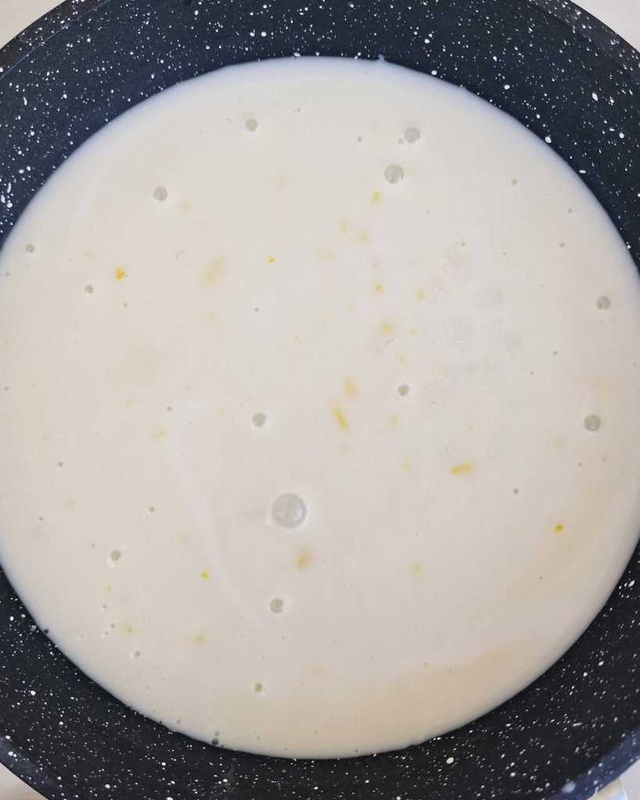 Remove the saucepan from heat and let the lemon cream filling cool slightly. Then, pour it into the cooled tart crust, spreading it evenly. Refrigerate the tart for at least 2–3 hours, or until the lemon cream filling sets and becomes firm. Once the tart is fully chilled and set, you can serve it as is or garnish it with additional lemon zest, coconut flakes, or fresh berries.
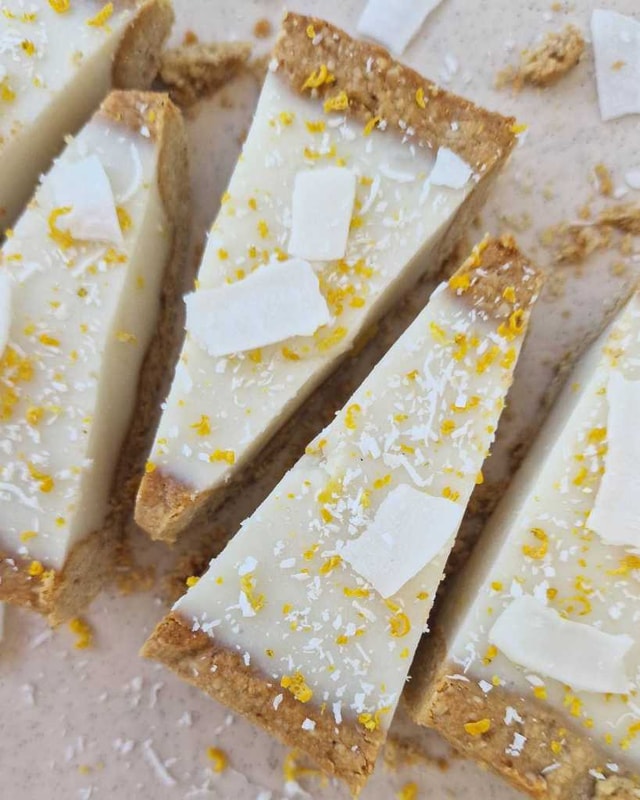 Enjoy your homemade lemon coconut tart! It should have a creamy and tangy lemon filling with a nutty and slightly sweet crust.
What drink goes with lemon tart?
When pairing a drink with a coconut lemon tart, you’ll want to consider complementing the flavors and refreshing the palate. Here are a few drink options that can go well with a coconut lemon tart:
- Iced Tea: A glass of iced tea, whether black tea or herbal tea, can be a refreshing choice. Consider a fruity or citrus-infused iced tea for a complementary flavor pairing.
- Lemonade: Since the tart has a tangy lemon flavor, pairing it with a glass of freshly squeezed lemonade can enhance the citrus notes and provide a crisp and refreshing contrast.
- Sparkling Water: For a lighter option, sparkling water can cleanse the palate between bites and provide a bubbly and refreshing sensation. Consider adding a splash of citrus juice or a slice of lemon for added flavor.
- Coconut Water: Since the tart incorporates coconut, pairing it with coconut water can bring out the tropical flavors and provide a hydrating and slightly sweet companion.
- Moscato Wine: If you prefer an alcoholic option, a lightly sweet and effervescent Moscato wine can complement the tart’s flavors. The fruity and floral notes of the wine can add an extra layer of enjoyment to the dessert.
If you like vegan tarts, check out this Healthy Strawberry Crumble Bars recipe!
A Note from Chef Ana
This Lemon Coconut Tart holds a special place in my heart — and on the dessert menus I create for my private clients here in The Woodlands and the greater Houston area. My philosophy has always been about elevating classic American comfort food with proper technique and the freshest local Texas ingredients. I source as much as I can from local farms and markets in the Houston area, because fresh, seasonal produce always makes a noticeable difference.
Whether you are hosting a dinner party, planning a celebration, or simply want a wholesome meal for your family, I would love to bring this recipe — and many more — to your table. Feel free to reach out to learn more about my personal and private chef services in The Woodlands, Spring, Tomball, Conroe, and the greater Houston area.
Substitutions & Variations
As a personal chef who specializes in dietary accommodations, I always encourage my clients to adapt recipes to their individual needs. Here are some practical variations for this recipe:
- Gluten-Free: This tart is naturally gluten-free when you use certified gluten-free oats to make the oat flour. No other flour swaps are needed — the almond and oat flour crust works beautifully as-is.
- Nut-Free: Replace the almond flour with an equal amount of sunflower seed flour or additional oat flour. The crust texture will be slightly different but still delicious and holds together well.
- Vegan-Friendly: This recipe is already dairy-free and egg-free thanks to coconut cream and coconut oil. To keep it fully vegan, use maple syrup instead of honey in the filling. Both provide a similar sweetness profile without compromising flavor.
Frequently Asked Questions
What is Agar-Agar, and can I use gelatin instead?
Agar-Agar is a plant-based gelling agent made from seaweed — it is what makes this tart vegan-friendly. You can substitute gelatin if you are not vegan, but use about half the amount since gelatin sets more firmly. Bloom the gelatin in cold water first, then whisk it into the warm lemon filling.
Why did my lemon filling not set properly?
The most common reason is not simmering the filling long enough. Agar-Agar needs to reach a full boil and simmer for 2–3 minutes to activate. Also make sure you are using full-fat coconut cream — light versions have too much water and will not set firmly. Refrigerate for at least 2–3 hours before slicing.
Can I make the tart crust without a tart pan?
Yes! Press the dough into a small springform pan, a ramekin, or even a muffin tin for individual mini tarts. The key is pressing the dough firmly and evenly to create a consistent crust thickness, regardless of the pan shape.
You Might Also Like
Love This Recipe?
Discover more delicious recipes and consider our personal chef services for fresh, healthy meals prepared in your home.