Salmon Tataki
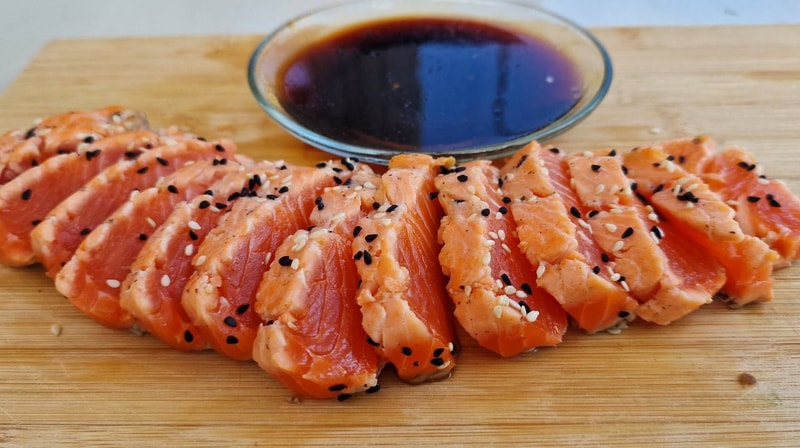
Salmon Tataki is a Japanese dish where the salmon is seared quickly on high heat and then chilled, leaving the inside raw. It's served with a citrus-based soy sauce and garnished with finely chopped spring onions or sesame seeds. It's a delicious and elegant dish!
Ingredients
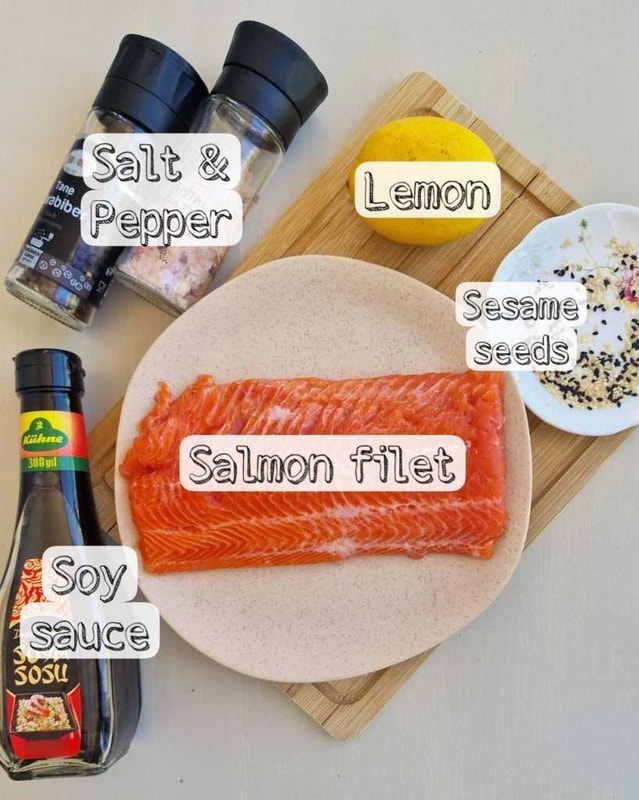
- 1 salmon fillet
- Salt and pepper to taste
- 1 tbsp tablespoon oil (for searing)
- Soy sauce, for serving
- Lemon or lime wedges, for serving
- Finely chopped spring onions or sesame seeds for garnish
Instructions
Season the salmon fillets with salt and pepper and cover them with oil.
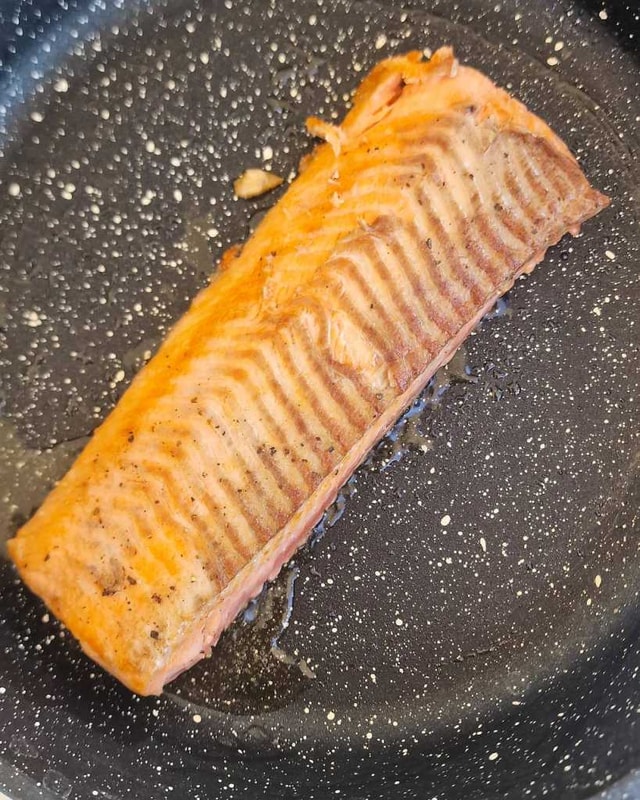
Heat the pan over high heat. Once it is hot, add the salmon fillets and sear each side for about 30 seconds to 1 minute, depending on the thickness of the fillets and your desired level of doneness.
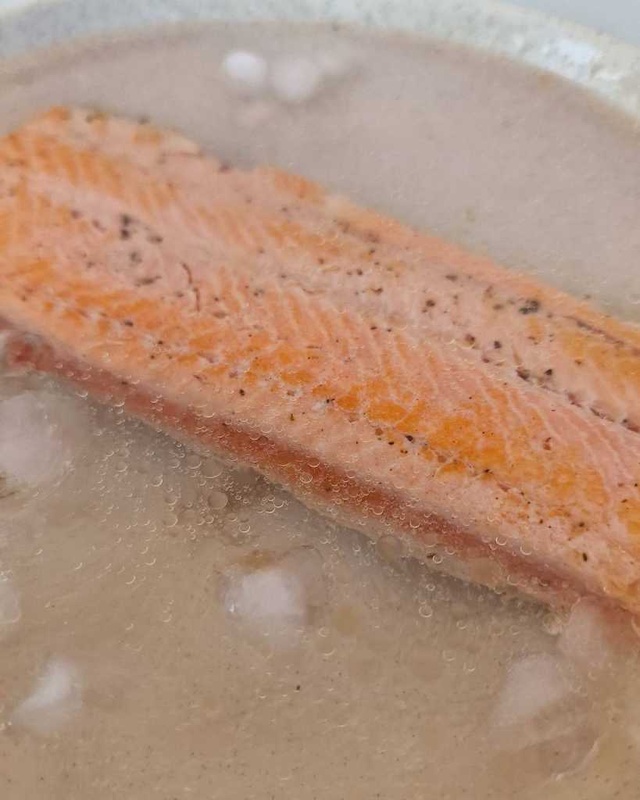
Immediately after searing, plunge the fillets into ice water to stop the cooking process and chill the salmon. This helps to keep the inside raw. Once chilled, pat the salmon dry and slice it into thin pieces.
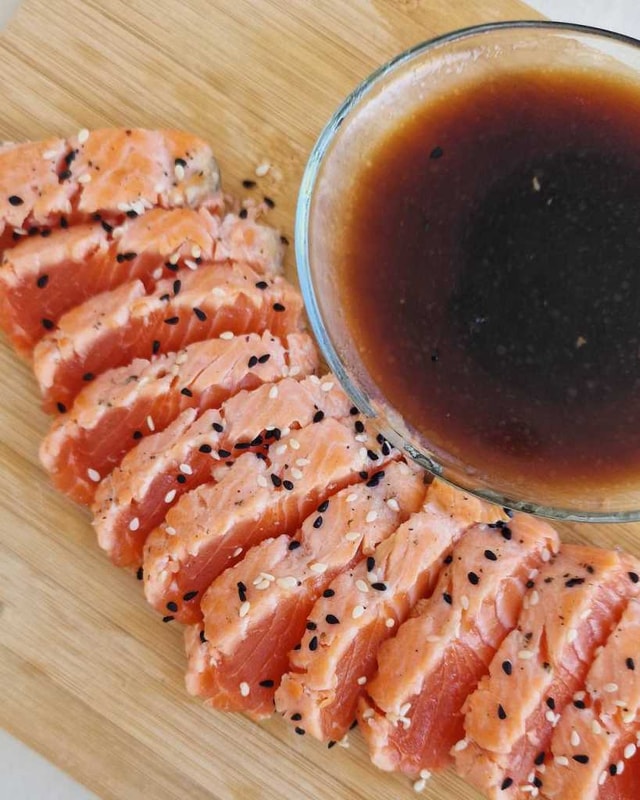
Serve the sliced salmon with soy sauce and a squeeze of citrus from the lemon or lime wedges. Sprinkle with chopped spring onions or sesame seeds for garnish. Enjoy this delicious Salmon Tataki as a light appetizer or part of a sushi meal!
Chef's Tips & Notes
Recipe Details
Recipe Tags
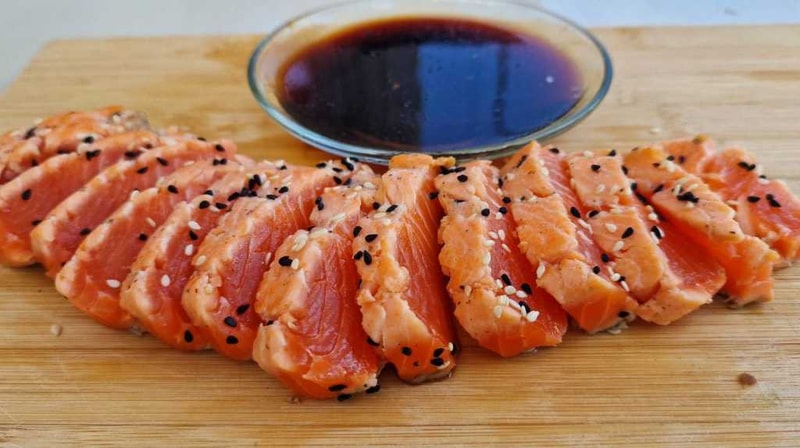
Salmon Tataki is a Japanese dish where the salmon is seared quickly on high heat and then chilled, leaving the inside raw. It’s served with a soy sauce and garnished with finely chopped spring onions or sesame seeds. It’s a delicious and elegant dish!
What does tataki mean?
“Tataki” is a Japanese cooking technique that involves quickly searing or grilling meat, fish, or seafood. The term “tataki” comes from the verb “tataku,” which means “to hit” or “to strike” in Japanese. The name reflects the traditional method of preparing the protein by searing it briefly over high heat, often with a direct flame or hot pan, which gives it a charred exterior while leaving the inside raw or rare. The searing process in tataki is usually quick and intense, intended to lightly cook the surface of the protein without fully cooking the interior. After searing, the protein is typically chilled or cooled down rapidly to maintain its desired raw or rare state. This technique is commonly used for dishes like beef tataki, salmon tataki, or tuna tataki, where the protein is sliced thinly and served with various sauces, seasonings, or garnishes.
Ingredients for Salmon Tataki
Here’s a description of the main ingredients typically used in Salmon Tataki:
- Salmon Fillets: Salmon is a popular choice for tataki due to its firm texture and rich flavor. Look for fresh, high-quality salmon fillets that are suitable for raw preparations. Salmon is very low in saturated fat and a good source of protein.
- Salt and Pepper: These are used to season the salmon fillets before searing. They enhance the natural flavors of the fish.
- Oil: A neutral cooking oil, such as vegetable or canola oil, is used for searing the salmon fillets. It helps create a nice crust on the outside of the fish.
- Soy Sauce: Soy sauce is a staple in Japanese cuisine and is often used as a dipping sauce or seasoning. It adds a savory umami flavor to the dish.
- Lemon or Lime Wedges: These citrus wedges are typically served alongside Salmon Tataki. Squeezing some fresh lemon or lime juice over the fish adds a bright, tangy element to balance the richness.
- Finely Chopped Spring Onions and Sesame Seeds: These are common garnishes for Salmon Tataki. Spring onions contribute a fresh, mild onion flavor, while sesame seeds add a nutty and slightly crunchy texture.
Is tataki hot or cold?
Tataki refers to a cooking technique where meat or fish is seared briefly on high heat, leaving the inside raw or rare. The searing process is typically done quickly, resulting in a dish that is served lukewarm or at room temperature.
In the case of Salmon Tataki, the salmon is seared briefly on the outside, leaving the inside raw or partially cooked. After searing, it is usually chilled or cooled down quickly to stop the cooking process and maintain the desired raw or rare state.
Therefore, Salmon Tataki is typically served chilled or at room temperature. It is a refreshing and light dish enjoyed for its contrast in textures and flavors, with the exterior being slightly cooked or seared while the inside remains tender and raw.
How to make Salmon Tataki?
Season the salmon fillets with salt and pepper to taste. Cover it with oil. Heat a pan over high heat. Once it is hot, carefully add the seasoned salmon fillets to the pan. Sear each side for about 30 seconds to 1 minute, adjusting the cooking time based on the thickness of the fillets and your desired level of doneness.
 After searing, promptly transfer the salmon fillets to a bowl of ice water. This helps halt the cooking process and ensures the interior remains raw or rare.
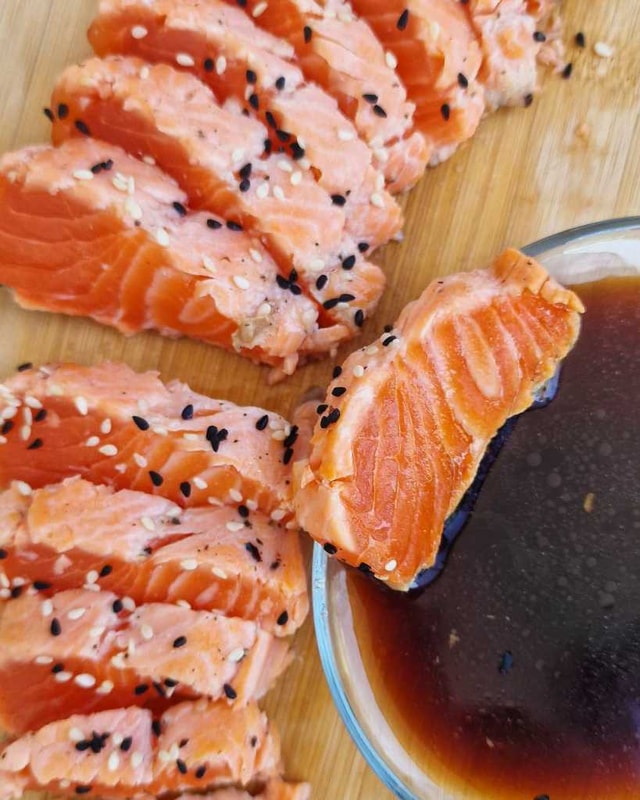
 Once chilled, gently pat the salmon fillets dry and proceed to slice them into thin pieces. Serve the sliced salmon with soy sauce and a squeeze of citrus juice from the lemon or lime wedges. Sprinkle the dish with finely chopped spring onions or sesame seeds for added flavor and garnish. Indulge in this delightful Salmon Tataki, which can be enjoyed as a light appetizer or included as part of a sushi meal.
 If you like sushi-style dishes, check out these recipes:
A Note from Chef Ana
This Salmon Tataki is one of the most requested appetizers at private events I cater in The Woodlands and the greater Houston area. My philosophy has always been about elevating classic American comfort food with proper technique and the freshest local Texas ingredients. I source as much as I can from local farms and markets in the Houston area, because fresh, seasonal produce always makes a noticeable difference.
Whether you are hosting a dinner party, planning a celebration, or simply want a wholesome meal for your family, I would love to bring this recipe — and many more — to your table. Feel free to reach out to learn more about my personal and private chef services in The Woodlands, Spring, Tomball, Conroe, and the greater Houston area.
Substitutions & Variations
As a personal chef who specializes in dietary accommodations, I always encourage my clients to adapt recipes to their individual needs. Here are some practical variations for this recipe:
- Gluten-Free: This recipe is naturally gluten-free! Just use tamari instead of regular soy sauce for a certified gluten-free option. All other ingredients are free of gluten.
- Dairy-Free: This recipe is naturally dairy-free as written. There are no dairy products in any of the ingredients.
- Vegetarian/Vegan: For a plant-based version, substitute the salmon with thick slices of extra-firm tofu or watermelon steak, seared the same way for a similar contrast of textures.
- Soy-Free/Low-Sodium: Replace soy sauce with coconut aminos for a soy-free and lower-sodium alternative that still delivers a rich umami flavor.
Frequently Asked Questions
What type of salmon should I use for tataki?
Always use sushi-grade or sashimi-grade salmon for tataki, since the inside remains raw. This fish has been flash-frozen to eliminate parasites and is specifically intended for raw or rare preparations. Purchase it from a trusted fishmonger or a grocery store with high seafood quality standards.
How thin should I slice the tataki?
Slice the seared and chilled salmon into pieces about 1/4 inch (6 mm) thick. Use a very sharp knife and make clean, single cuts — sawing back and forth will tear the delicate fish. Thinner slices allow you to taste both the seared exterior and the raw center in every bite.
Can I prepare salmon tataki ahead of time?
You can sear and chill the salmon up to a few hours in advance. Keep it wrapped tightly in the refrigerator until ready to serve. Slice just before serving for the freshest presentation. Do not hold sliced tataki for more than an hour, as the edges will dry out.
What is the difference between tataki and sashimi?
Sashimi is completely raw fish sliced thinly and served without any searing. Tataki involves quickly searing the outside of the fish on very high heat, leaving the inside raw, and then chilling it. The sear adds a layer of flavor and texture that sashimi does not have.
You Might Also Like
Love This Recipe?
Discover more delicious recipes and consider our personal chef services for fresh, healthy meals prepared in your home.