Tomato Pasta with Burrata
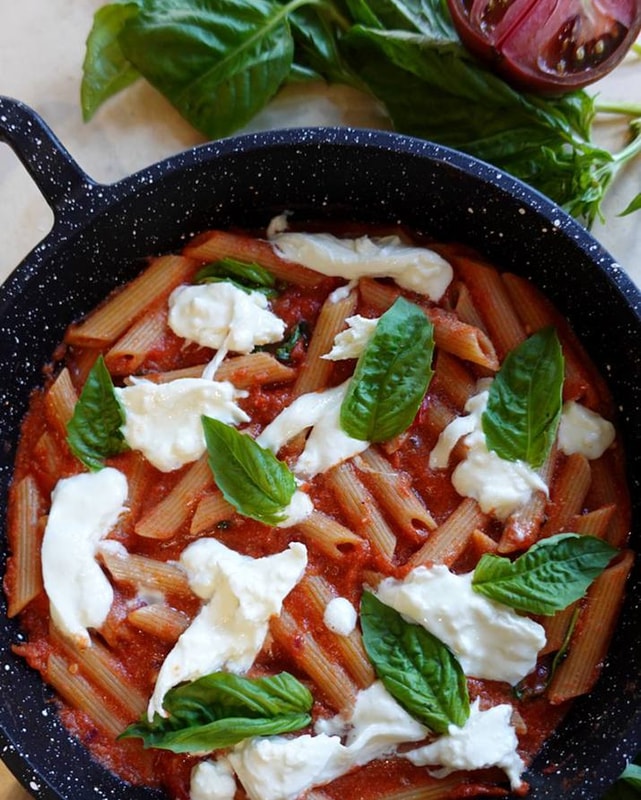
Tomato pasta with burrata is a delightful Italian dish that combines tomatoes, creamy burrata cheese, and the comforting nature of pasta.
Ingredients
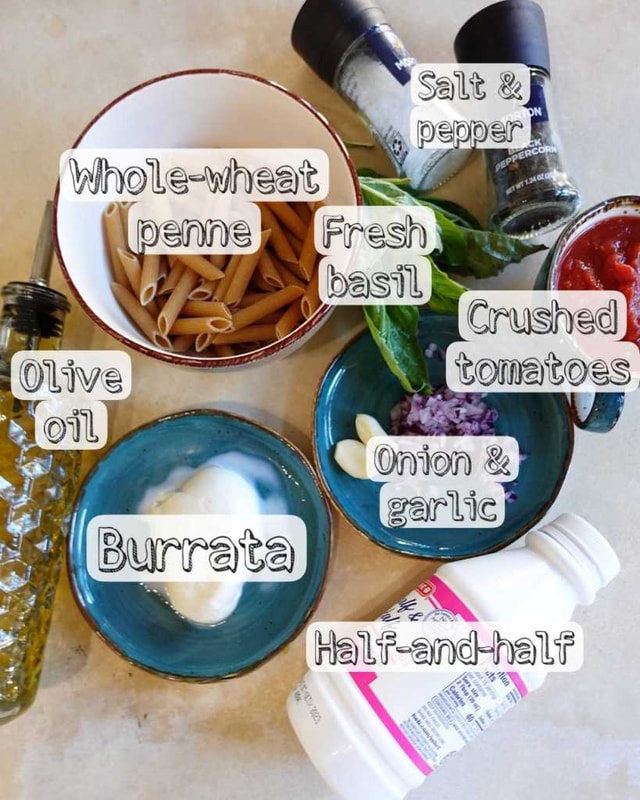
- 4 oz. pasta (such as penne, rigatoni or spaghetti)
- 1 tbsp olive oil
- 2 tbsp onion, finely chopped
- 1 garlic clove, minced
- 7 oz. crushed tomatoes or tomato sauce
- Salt and freshly ground black pepper, to taste
- 2 tbsp half-and-half (optional)
- Fresh basil leaves, for garnish
- 1 burrata cheese ball
Instructions
Bring a large pot of salted water to a boil. Cook the pasta according to the package instructions until al dente. Drain and set aside.
In a large skillet or saucepan, heat the olive oil over medium heat. Add the chopped onion and sauté for about 2-3 minutes until it becomes translucent. Add the minced garlic and sauté for another 1-2 minutes until the garlic becomes fragrant.
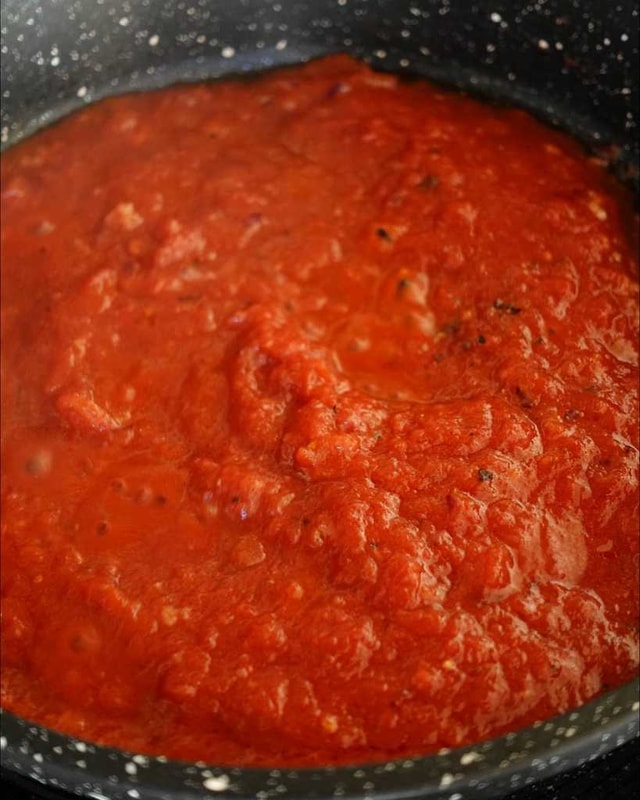
Pour in the crushed tomatoes, and season with salt and freshly ground black pepper to taste. Stir well to combine. Allow the tomato sauce to simmer over low heat for about 10 minutes, stirring occasionally, to let the flavors meld and the sauce thicken slightly. If it becomes too thick, you can add a splash of pasta cooking water to reach your desired consistency.
Pour in half-and-half to add creaminess (optional) and mix to combine.
Add the cooked pasta to the tomato sauce and toss to coat the pasta evenly with the sauce. Continue to cook for another 2 minutes, allowing the pasta to absorb the flavors of the sauce.
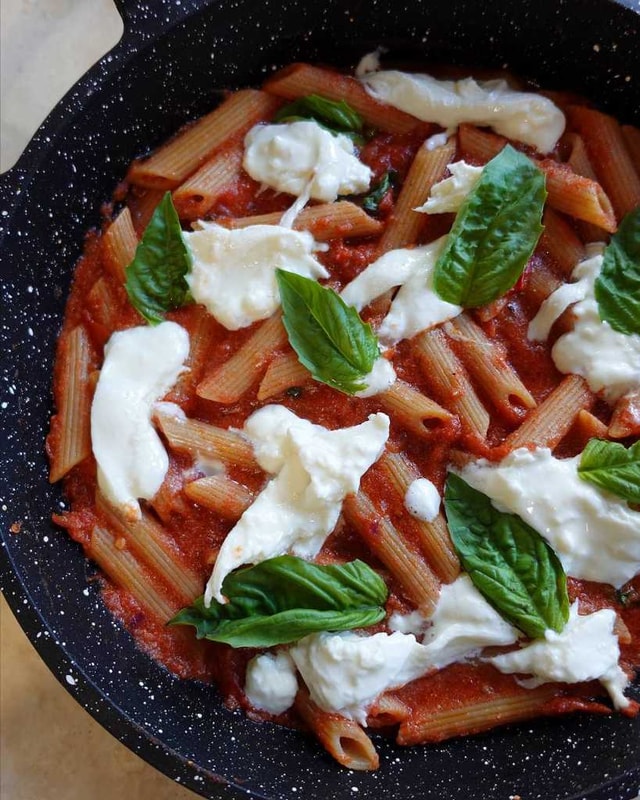
Transfer the pasta to the serving plates. Garnish with fresh basil leaves. Tear the burrata cheese and distribute the creamy interior over the pasta. Enjoy!
Chef's Tips & Notes
Recipe Details
Recipe Tags
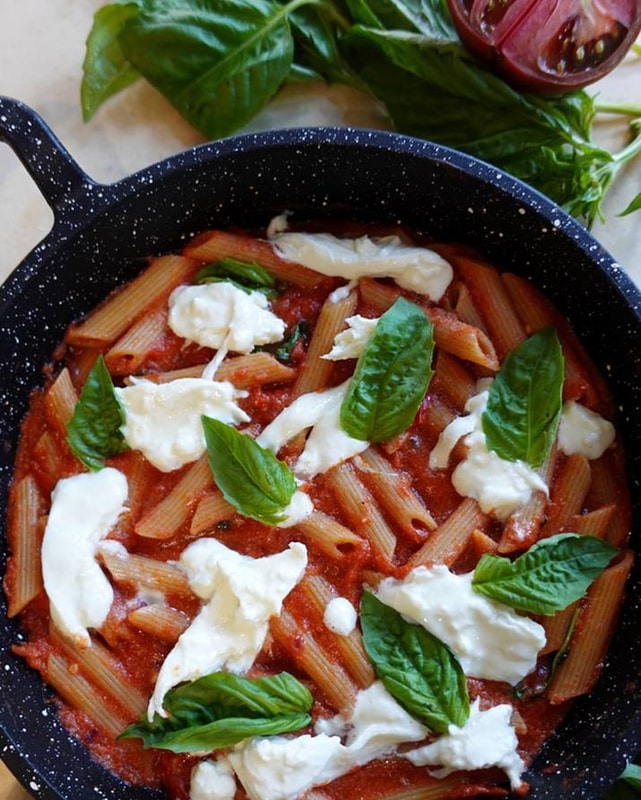
Tomato pasta with burrata is a delightful and creamy Italian dish that combines the freshness of ripe tomatoes, the creaminess of burrata cheese, and the comforting nature of pasta. It’s easy to make and perfect for any occasion!
What are the ingredients for Tomato Pasta with Burrata?
Certainly, here’s a description of each ingredient mentioned in the recipe you provided:
- Pasta: Pasta is a staple ingredient made from wheat flour and water (and sometimes eggs). It comes in various shapes and sizes, such as spaghetti, fettuccine, and penne. Pasta serves as the primary carbohydrate and base for the dish, providing texture and substance. For this dish I chose Penne.
- Olive Oil: Olive oil is used for sautéing the chopped onion and minced garlic. It adds a pleasant, fruity flavor and healthy monounsaturated fats to the dish.
- Onion: Onions are aromatic vegetables that contribute a sweet and savory flavor to the tomato sauce when sautéed. They provide a foundational element of the sauce’s flavor profile.
- Garlic: Garlic is a pungent and aromatic bulb that enhances the sauce’s taste with its robust and savory notes. It adds depth and complexity to the dish.
- Crushed Tomatoes: Crushed tomatoes, typically from a can, are a convenient way to create a tomato sauce base. They are made from ripe tomatoes that have been peeled, crushed, and cooked down. Crushed tomatoes provide a rich and tangy tomato flavor to the sauce.
- Salt and Pepper: Salt and freshly ground black pepper are common seasonings used to enhance the overall flavor of the dish. They add a balance of saltiness and spiciness to the sauce.
- Fresh Basil Leaves: Fresh basil leaves are a fragrant herb that contributes a refreshing and herbaceous aroma and flavor to the dish. They are used for garnish and can also be added to the sauce for additional depth of flavor.
- Half-and-Half (Optional): Half-and-half is a dairy product that contains equal parts milk and cream. It’s used optionally to add creaminess to the sauce, creating a luscious texture and flavor.
- Burrata Cheese: Burrata is a soft and creamy Italian cheese made from mozzarella and cream. It has a delicate and rich flavor with a creamy interior. Burrata is torn and distributed over the finished pasta, imparting a luxurious and creamy element to the dish.
The combination of these ingredients creates a harmonious and flavorful tomato pasta dish with the option to add creamy burrata for an indulgent twist.
What is tomato pasta high in?
Tomato pasta with burrata can be high in several nutrients and components, depending on the specific ingredients and preparation method used. Here are some key nutrients and components that may be present in tomato pasta with burrata:
- Carbohydrates: Pasta is a significant source of carbohydrates, providing energy for the body.
- Dietary Fiber: Whole wheat or whole grain pasta can contribute dietary fiber to the dish, which aids in digestion and promotes a feeling of fullness.
- Tomatoes: The tomato sauce in this dish is rich in vitamins (such as vitamin C and vitamin A), minerals (such as potassium), and antioxidants (like lycopene) that support overall health.
- Olive Oil: The use of olive oil adds healthy monounsaturated fats, which are good for heart health.
- Dairy Fat: Burrata cheese is a creamy cheese, so it contains dairy fat, which contributes to its rich and creamy texture.
- Calcium: Cheese, including burrata, is a good source of calcium, which is essential for strong bones and teeth.
- Vitamins: The dish can be rich in various vitamins, such as vitamin K from basil and potentially other vitamins depending on the tomato sauce and cheese used.
- Minerals: The dish can contain essential minerals like calcium, potassium, and magnesium from the cheese, tomatoes, and other ingredients.
- Calories: Due to the presence of pasta, cheese, and olive oil, tomato pasta with burrata can be relatively high in calories. However, it can be a satisfying and nutritious meal when consumed in moderation.
- Sodium: Depending on the preparation and any added salt, the dish may contain sodium, which should be monitored for those with dietary restrictions.
How to make Tomato Pasta with Burrata?
Boil the Pasta: Start by bringing a large pot of salted water to a boil. Cook the pasta according to the package instructions until it’s al dente. Afterward, drain the pasta and set it aside.
Prepare the Tomato Sauce: In a spacious skillet or saucepan, warm up the olive oil over medium heat. Add the finely chopped onion and sauté it for approximately 2–3 minutes until it turns translucent. Then, introduce the minced garlic and sauté for an additional 1–2 minutes until the garlic releases its aromatic fragrance. Pour in the crushed tomatoes and season the mixture with salt and freshly ground black pepper to your taste. Give everything a thorough stir to combine. Allow the tomato sauce to simmer over low heat for about 10 minutes, occasionally stirring. This step helps the flavors meld and the sauce achieve a slight thickening. If the sauce appears too thick, feel free to add a splash of the pasta cooking water until it reaches your desired consistency.
 Optional Creaminess: If you’d like to enhance the creaminess of the dish, you can introduce half-and-half into the sauce at this point. Mix it in thoroughly.
Combine Pasta and Sauce: Add the cooked pasta to the tomato sauce, making sure it’s evenly coated with the flavorful sauce. Continue cooking for an additional 2 minutes to allow the pasta to absorb the wonderful flavors of the sauce.
Optional Creaminess: If you’d like to enhance the creaminess of the dish, you can introduce half-and-half into the sauce at this point. Mix it in thoroughly.
Combine Pasta and Sauce: Add the cooked pasta to the tomato sauce, making sure it’s evenly coated with the flavorful sauce. Continue cooking for an additional 2 minutes to allow the pasta to absorb the wonderful flavors of the sauce.
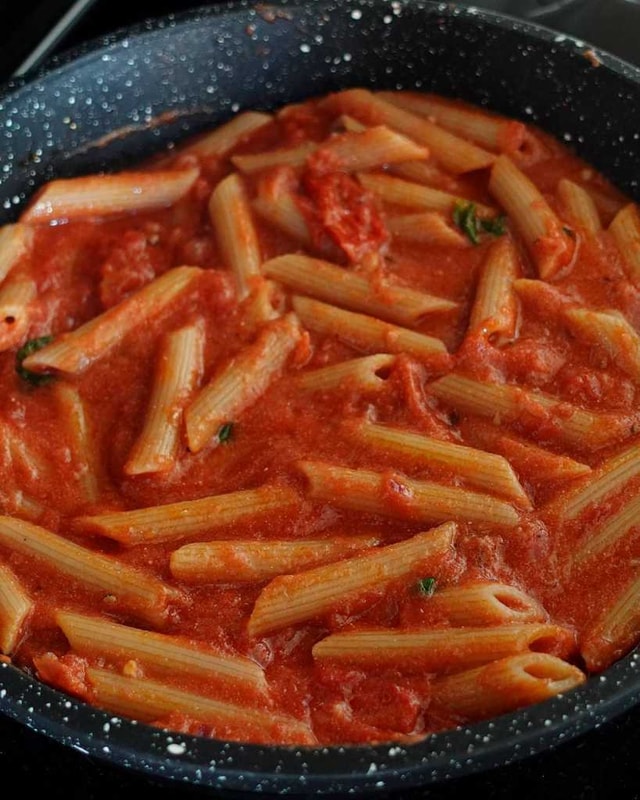 Plate and Garnish: Transfer the prepared pasta onto individual serving plates. Sprinkle fresh basil leaves over the top for a burst of freshness and color.
Add Creamy Burrata: Tear the burrata cheese open and distribute its creamy interior generously over the pasta. Your delicious tomato pasta with creamy burrata is now ready to be enjoyed!
Plate and Garnish: Transfer the prepared pasta onto individual serving plates. Sprinkle fresh basil leaves over the top for a burst of freshness and color.
Add Creamy Burrata: Tear the burrata cheese open and distribute its creamy interior generously over the pasta. Your delicious tomato pasta with creamy burrata is now ready to be enjoyed!
 If you like tomato-based pasta, check out these recipes:
A Note from Chef Ana
This Tomato Pasta with Burrata is a dish I absolutely love preparing for my private dinner clients in The Woodlands and the greater Houston area. My philosophy has always been about elevating classic American comfort food with proper technique and the freshest local Texas ingredients. I source as much as I can from local farms and markets in the Houston area, because fresh, seasonal produce always makes a noticeable difference.
Whether you are hosting a dinner party, planning a celebration, or simply want a wholesome meal for your family, I would love to bring this recipe — and many more — to your table. Feel free to reach out to learn more about my personal and private chef services in The Woodlands, Spring, Tomball, Conroe, and the greater Houston area.
Substitutions & Variations
As a personal chef who specializes in dietary accommodations, I always encourage my clients to adapt recipes to their individual needs. Here are some practical variations for this recipe:
- Gluten-Free: Use your favorite certified gluten-free penne or rigatoni. The rest of the recipe is naturally gluten-free.
- Dairy-Free: Skip the half-and-half or replace it with oat cream. Use a plant-based burrata or fresh vegan mozzarella in place of the burrata cheese.
- Vegan: Use gluten-free or regular pasta, replace the half-and-half with oat cream, and top with a plant-based burrata or generous dollops of cashew ricotta.
Frequently Asked Questions
What is burrata and how is it different from mozzarella?
Burrata is a fresh Italian cheese made from mozzarella and cream. The outer shell is solid mozzarella, while the inside contains soft, creamy stracciatella and cream. It has a much richer and more luscious texture than regular mozzarella, making it the perfect finishing touch for pasta.
When should I add the burrata to the pasta?
Always add the burrata at the very end, right before serving. Tear it open and distribute the creamy interior over the hot pasta. The residual heat will gently soften the cheese without melting it completely, creating a beautiful contrast of warm pasta and cool, creamy burrata.
Can I use regular mozzarella instead of burrata?
Yes, fresh mozzarella is a good substitute, though the dish will not be as creamy. Tear the mozzarella into small pieces and scatter them over the hot pasta so they soften slightly. For extra richness, drizzle a little extra virgin olive oil on top.
What pasta shape works best with this sauce?
Short pasta shapes like penne, rigatoni, or fusilli work beautifully because their ridges and tubes catch the tomato sauce. Spaghetti or linguine also work well for a more classic presentation. The key is to cook any shape to al dente for the best texture.
You Might Also Like
Love This Recipe?
Discover more delicious recipes and consider our personal chef services for fresh, healthy meals prepared in your home.