Zucchini Noodles (Zoodles)
Zucchini noodles, also known as "zoodles," are a healthy and low-carb alternative to traditional pasta. They are made by spiralizing fresh zucchini into thin noodle-like strands.
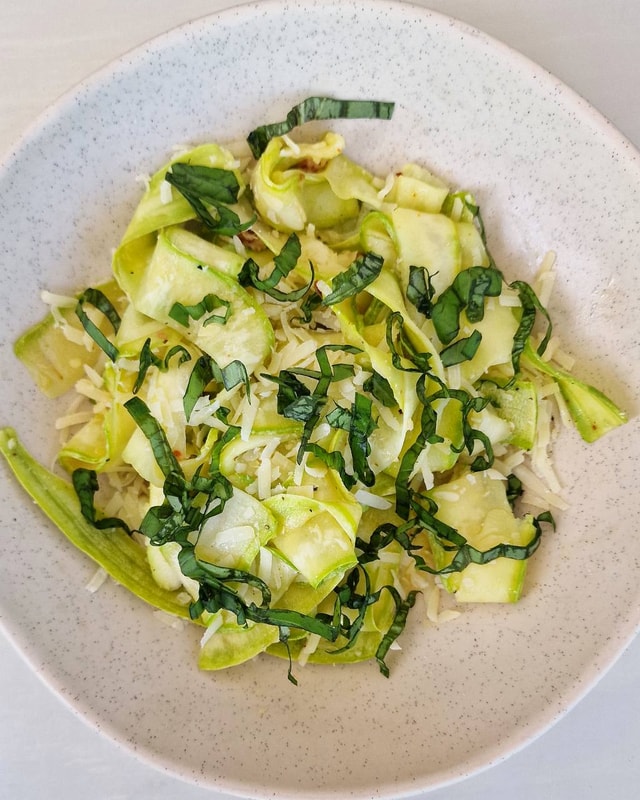
Ingredients
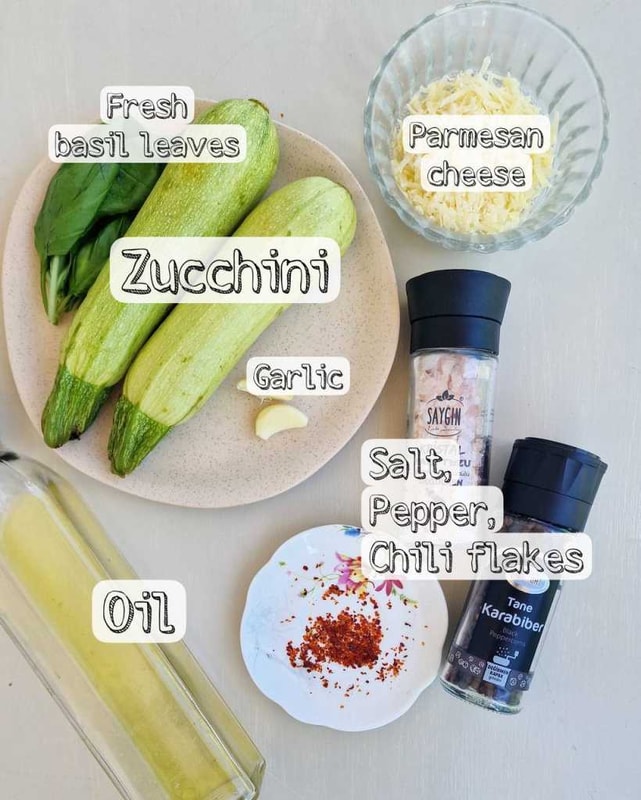
- 2 medium zucchini
- 2 tbsp olive oil
- 2 cloves garlic, minced
- 1/4 tsp chili flakes (optional)
- 1/4 cup grated Parmesan cheese
- Salt and pepper to taste
- Fresh basil for garnish (optional)
Instructions
Spiralize the zucchini into noodles using a spiralizer. If you don't have a spiralizer, you can use a vegetable peeler to create long, thin strips resembling noodles.
Heat the olive oil in a large skillet over medium heat. Add the minced garlic and red pepper flakes (if using) and sauté for about 1 minute until fragrant.
Add the zucchini noodles to the skillet and toss them gently to coat them with the garlic-infused oil. Cook for 2 minutes, stirring occasionally, until the noodles are just tender but still slightly crisp. Be careful not to overcook, as they can become mushy!
Remove the skillet from the heat and sprinkle the grated Parmesan cheese over the zucchini noodles. Season with salt and pepper to taste. Toss the noodles again to evenly distribute the cheese.
Transfer the zucchini noodles to serving plates. Garnish with fresh basil if desired.
Chef's Tips & Notes
Recipe Details
Recipe Tags
Zucchini noodles, also known as “zoodles,” are a healthy and low-carb alternative to traditional pasta. They are made by spiralizing fresh zucchini into thin noodle-like strands.
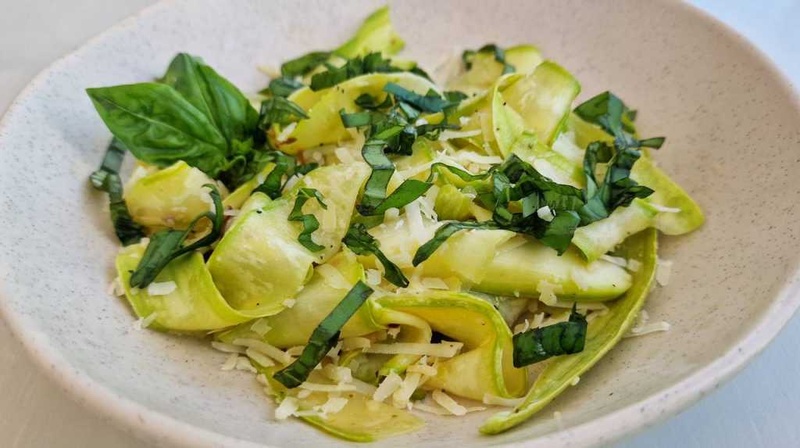
Are zucchini noodles good?
Yes, these are also known as zoodles, can be a tasty and nutritious alternative to traditional pasta. Here are some reasons why zucchini noodles are considered good:
- Low in Calories and Carbohydrates: These are are significantly lower in calories and carbohydrates compared to traditional wheat-based pasta. This makes them a suitable option for those following low-carb or calorie-conscious diets.
- High in Nutrients: Zucchini is a nutrient-dense vegetable that contains vitamins, minerals, and antioxidants. It is a good source of vitamin C, vitamin A, potassium, and fiber. By choosing such noodles, you can increase your vegetable intake and benefit from their nutritional value.
- Gluten-Free and Lighter on the Stomach: Zucchini noodles are naturally gluten-free, which makes them a great option for individuals with gluten sensitivities or those following a gluten-free diet. They are also lighter on the stomach, making them easier to digest for some people.
- Versatility: They can be used as a versatile base for a variety of dishes. They can be paired with different sauces, proteins, and vegetables to create a range of flavorful and satisfying meals.
- Quick Cooking Time: Zucchini noodles cook much faster than traditional pasta, requiring only a few minutes of cooking or even being enjoyed raw. This makes them a convenient option for quick and easy meals.
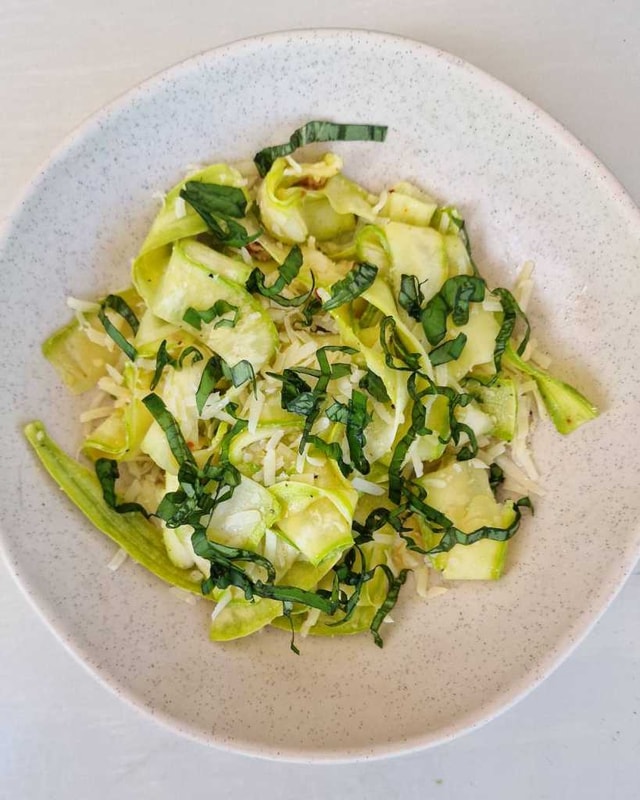
What is zucchini noodles made of?
Here’s a description of each ingredient used in this recipe:
- Zucchini: Zucchini is the main ingredient and forms the base of the dish. It is a summer squash with a mild flavor and a high water content, which makes it suitable for creating noodle-like strands.
- Olive Oil: Olive oil is used for sautéing. It adds richness and flavor to the dish while preventing the noodles from sticking to the pan.
- Garlic: Garlic is minced and added to the dish to infuse it with aromatic and savory flavors. It adds depth to the dish and complements the other ingredients.
- Chili Flakes (Optional): Chili flakes are optional but add a hint of heat and spice to the dish. You can adjust the amount according to your preference for spiciness.
- Grated Parmesan Cheese: Grated Parmesan cheese is sprinkled over the zucchini noodles to add a savory and slightly nutty flavor. It also provides a creamy texture and helps to bind the flavors together.
- Salt and Pepper: Salt and pepper are used to season the dish and enhance the overall taste. Add them according to your personal preference and taste.
- Fresh Basil or Parsley (Optional): Fresh basil or parsley can be used as a garnish to add a pop of color and freshness to the dish. It adds a pleasant herbal aroma and can elevate the presentation.
Do zucchini noodles actually taste like pasta?
Zucchini noodles, or zoodles, do not have the exact same taste and texture as traditional wheat-based pasta. Zucchini noodles have a more delicate and slightly crisp texture compared to the chewiness of pasta. The flavor of zucchini noodles is mild and neutral, allowing them to take on the flavors of the sauces and seasonings used in the dish. While zucchini noodles can be a satisfying and tasty alternative, they won’t replicate the exact taste and texture of pasta. They offer a lighter and vegetable-forward option for those looking to reduce their carbohydrate intake, incorporate more vegetables into their meals, or follow specific dietary preferences such as gluten-free or low-carb diets. The enjoyment of zucchini noodles often comes from the combination of flavors and textures within the dish, such as the sauces, seasonings, and other ingredients used alongside the zoodles. Experimenting with different sauces and toppings can help enhance the overall taste and make them a delicious and nutritious addition to your meals.
How to make zoodles?
Spiralize the zucchini into noodles using a spiralizer. If you don’t have a spiralizer, you can use a vegetable peeler to create long, thin strips resembling noodles.
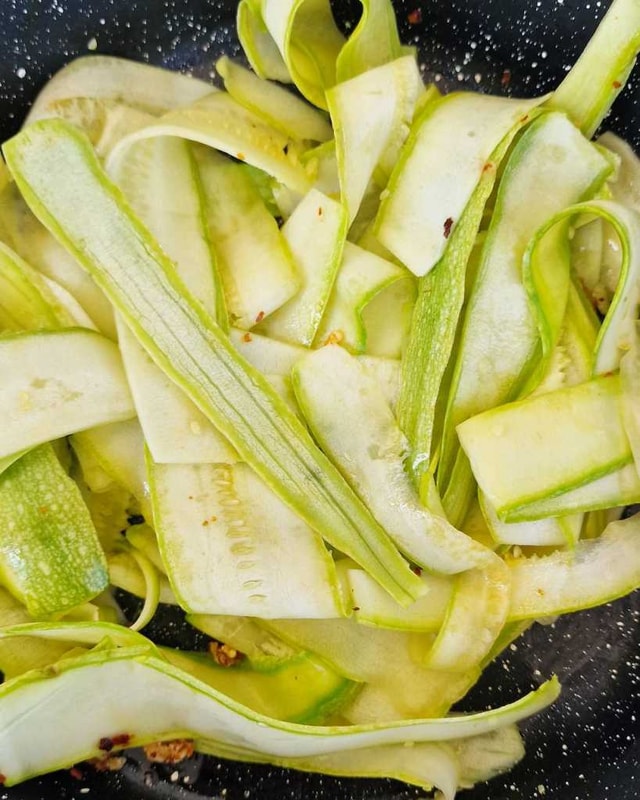
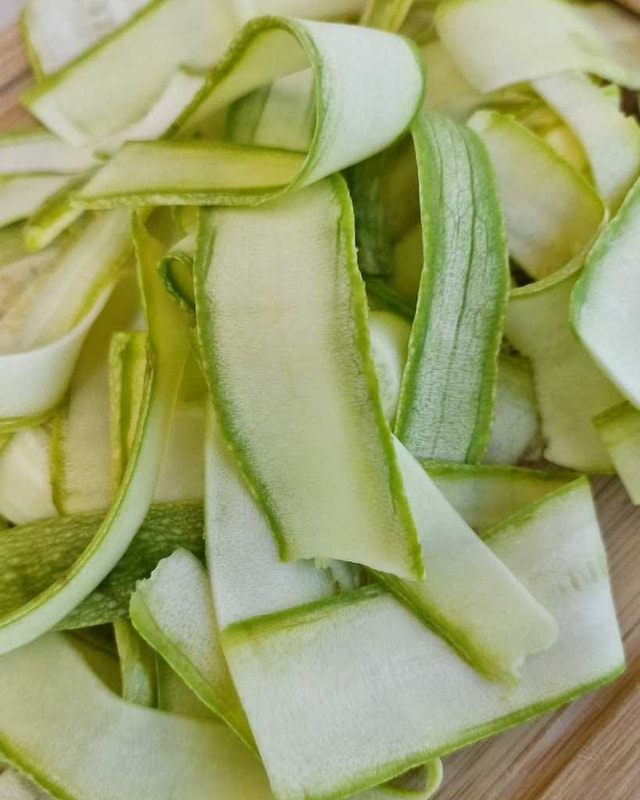 Heat the olive oil in a large skillet over medium heat. Add the minced garlic and red pepper flakes (if using) and sauté for about 1 minute until fragrant. Add the zucchini noodles to the skillet and toss them gently to coat them with the garlic-infused oil. Cook for 2 minutes, stirring occasionally, until the noodles are just tender but still slightly crisp. Be careful not to overcook, as they can become mushy!
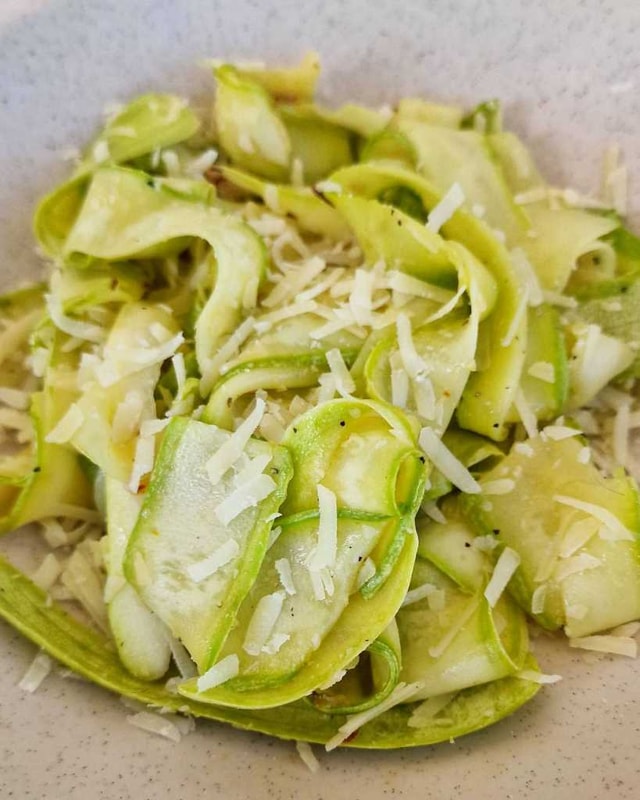
 Remove the skillet from the heat and sprinkle the grated Parmesan cheese over the zucchini noodles. Season with salt and pepper to taste. Toss the noodles again to evenly distribute the cheese. Transfer the zucchini noodles to serving plates.
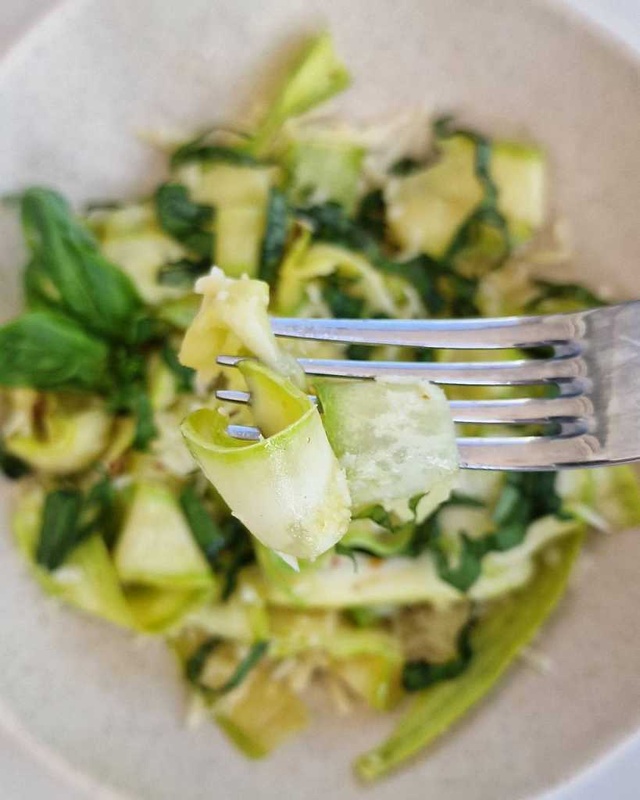
 Garnish with fresh basil if desired and enjoy!
How do you make zoodles not soggy?
To prevent zucchini noodles (zoodles) from becoming soggy, you can follow these tips:
- Choose Fresh Zucchini: Select firm and fresh zucchini to ensure the best texture. Avoid zucchini that feels soft or has wrinkled skin, as these may have a higher water content and become mushy when cooked.
- Do Not Overcook: Zucchini noodles cook very quickly, so it’s important not to overcook them. Overcooking can lead to excessive moisture and a mushy texture. Sauté or cook the zoodles just until they are tender but still slightly crisp, usually within 2–3 minutes.
- Sauté or Stir-Fry Method: Instead of boiling or steaming zucchini noodles, opt for quick sautéing or stir-frying in a hot pan with a small amount of oil. High heat helps to cook the zoodles quickly and retain their firmness.
- Cook in Small Batches: Avoid overcrowding the pan when cooking zucchini noodles. Cook them in smaller batches to allow for even heat distribution and faster cooking.
- Serve Immediately: Zucchini noodles are best served immediately after cooking. If left sitting for too long, they may release additional moisture and become soggy.
By following these tips, you can help maintain the desired texture and avoid excessive sogginess in your zucchini noodles. Remember to experiment and adjust cooking times based on your preferences and the specific recipe you are using.
 If you like zucchini, check out these delicious recipes:
A Note from Chef Ana
This Zucchini Noodles (Zoodles) is a dish I absolutely love preparing for my private dinner clients in The Woodlands and the greater Houston area. My philosophy has always been about elevating classic American comfort food with proper technique and the freshest local Texas ingredients. I source as much as I can from local farms and markets in the Houston area, because fresh, seasonal produce always makes a noticeable difference.
Whether you are hosting a dinner party, planning a celebration, or simply want a wholesome meal for your family, I would love to bring this recipe — and many more — to your table. Feel free to reach out to learn more about my personal and private chef services in The Woodlands, Spring, Tomball, Conroe, and the greater Houston area.
Substitutions & Variations
As a personal chef who specializes in dietary accommodations, I always encourage my clients to adapt recipes to their individual needs. Here are some practical variations for this recipe:
- Gluten-Free: This recipe is naturally gluten-free as written — zucchini noodles contain no flour, breadcrumbs, or wheat of any kind. Just double-check that your Parmesan is certified gluten-free (most are, but some brands add fillers).
- Dairy-Free / Vegan: Replace the grated Parmesan with nutritional yeast for a similar savory, umami-rich finish, or use a plant-based Parmesan alternative. A squeeze of fresh lemon juice at the end brightens the dish beautifully without any dairy.
- Low-Carb / Keto: This dish is already an excellent low-carb option! To keep it keto-friendly, skip any added sugars in toppings and pair with a protein like grilled chicken or shrimp.
Frequently Asked Questions
Do I need a spiralizer to make zoodles?
Not at all! While a spiralizer gives the most uniform noodle-like strands, you can use a julienne peeler or even a regular vegetable peeler to create wide, fettuccine-style ribbons. A sharp knife works too — just cut the zucchini into thin matchsticks.
Can I eat zucchini noodles raw?
Absolutely! Raw zoodles have a pleasant crunch and work beautifully in cold salads with pesto, lemon vinaigrette, or Asian-inspired sesame dressings. If eating them raw, let them sit with a pinch of salt for a few minutes and pat dry to soften them slightly.
Why are my zoodles watery and soggy?
Zucchini has a very high water content that releases during cooking. The key is to salt and drain them beforehand, cook them over high heat in a hot skillet (not a cold one), avoid overcrowding the pan, and cook for no more than 2–3 minutes. Serve immediately — zoodles get soggier the longer they sit.
How do I store leftover zucchini noodles?
Store cooked zoodles in an airtight container in the refrigerator for up to 2 days. They will release some water overnight, so drain before reheating. For the best results, reheat quickly in a hot skillet rather than the microwave. Uncooked spiralized zucchini keeps for 3–4 days when stored with a paper towel to absorb moisture.
You Might Also Like
Love This Recipe?
Discover more delicious recipes and consider our personal chef services for fresh, healthy meals prepared in your home.